Short lighting with on-camera bounce flash

Short lighting with on-camera bounce flash
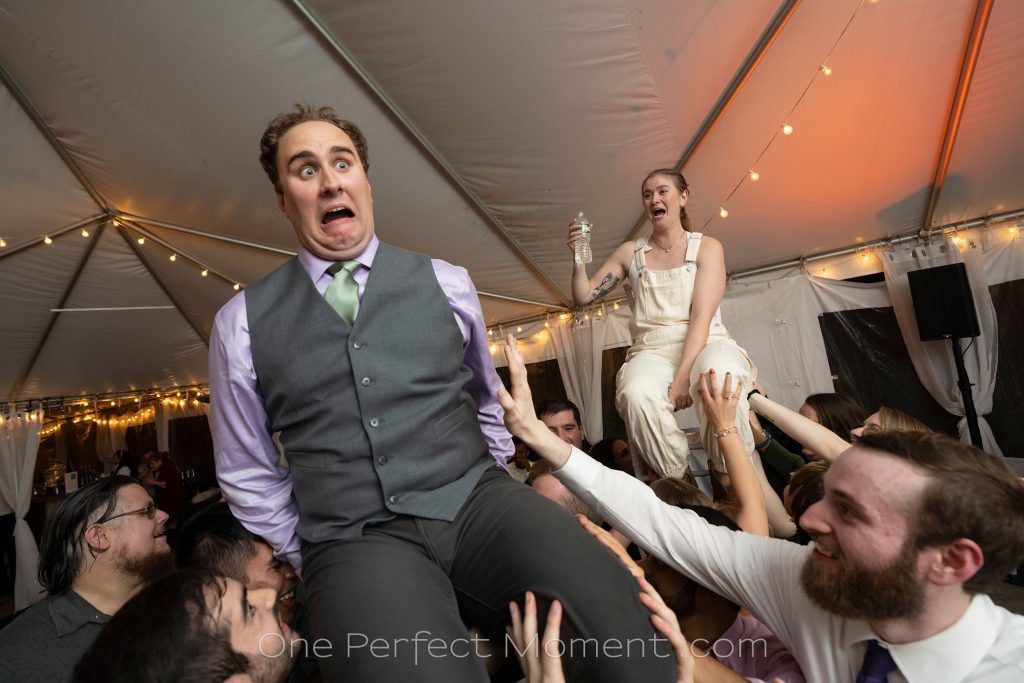
In the recent article — The simplicity of on-camera bounce flash — the flash was used as fill light to "clean up" the light and give a sparkle to the eyes. In that scenario, as fill-flash the flash didn't really add directional light or shape the light on our subject. Where on-camera bounce flash is our only / main light source, then we can get creative with the direction of light and shape an interesting, dynamic light pattern on our subject. We can even create short lighting for our portraits created with only on-camera bounce flash. To Read more inside...The simplicity of on-camera bounce flash

The simplicity of on-camera bounce flash
This is a fairly straight-forward portrait of the bride just as she was done with her prep. But this simplicity might belie the deliberateness in how I shot this. Because the rest of the bridal area was mostly bland walls, I purposely used the busy room in the background to give that indistinct out-of-focus background which is still complimentary. There were spotlights in the ceiling just outside the door, so I asked her to step forward of those lights. They would have been too hard to fight against. My exposure settings were set for Read more inside...Huge venues and bounce flash – how to double your flash power
Bounce flash and huge venues - how to double your flash power
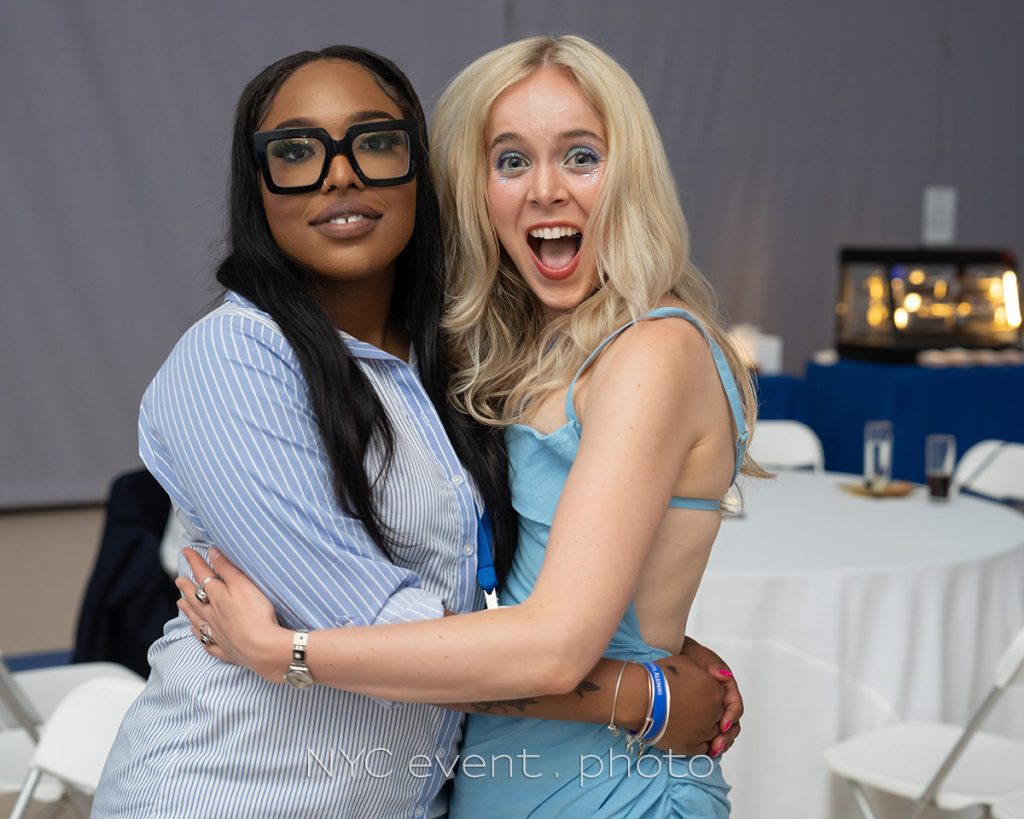
A spontaneous moment with two of the lovely people at an event I photographed. Perhaps technically unremarkable until you consider the size of the venue, and that I used bounce flash. If you look at the photo below, you'll see that it was a huge indoor basketball / sport court. Now, if you're familiar with the tutorials on this site on bounce flash photography, you'll know that I try to avoid direct flash as much as possible. Even flash attachments that throw light forward -- I avoid using those. Instead, I much more Read more inside...Video tutorial: On-camera bounce flash photography
Video tutorial: On-camera bounce flash photography
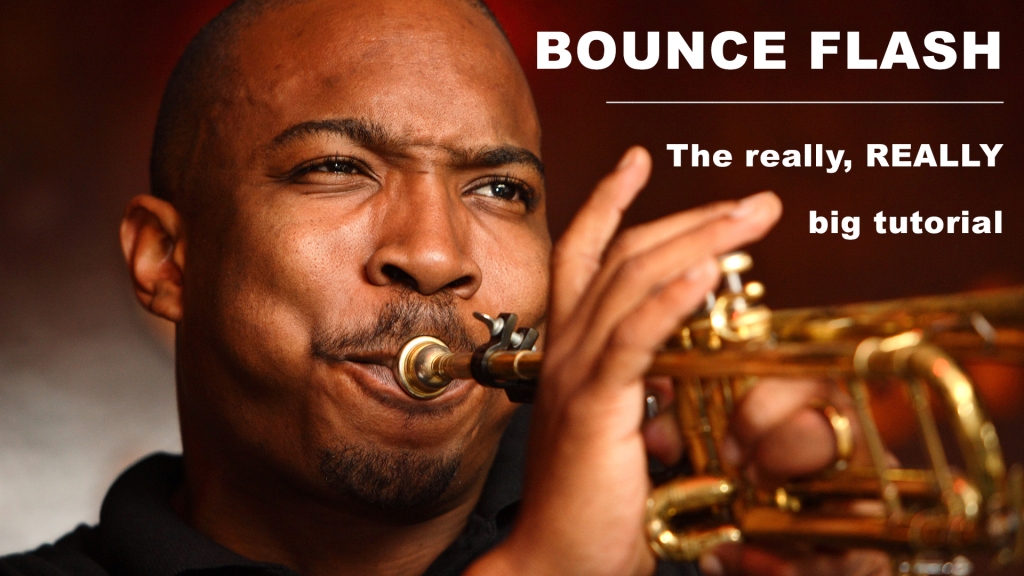
I finally put together the really, REALLY big tutorial about on-camera bounce flash photography. It's an entire workshop. This is a long one. An hour's worth of material. It's going to require a bit of stamina. If you prefer Youtube : Bounce Flash - That one thing you need to know. Related to this video, is this video where we discuss how Bounce flash photography & The Inverse Square Law interrelate. There's something interesting and unexpected happening there. And if you are new to the "Black Foamie Read more inside...Bounce flash photography & The Inverse Square Law

Bounce flash photography & The Inverse Square Law
If you find the title of this article a touch intimidating, please stick around and watch the video. It is important to understand how The Inverse Square Law affects bounce flash photography, and creates a specific result where the background appears brighter when the flash is bounced properly without on-camera flash modifiers. I know that is counter-intuitive, but that is what happens when you bounce your bare flash behind you instead of using a light modifier on your flash. The accompanying video, linked to below, explains this Read more inside...Photographing corporate events – flash or no flash?
Photographing corporate events - flash or no flash?
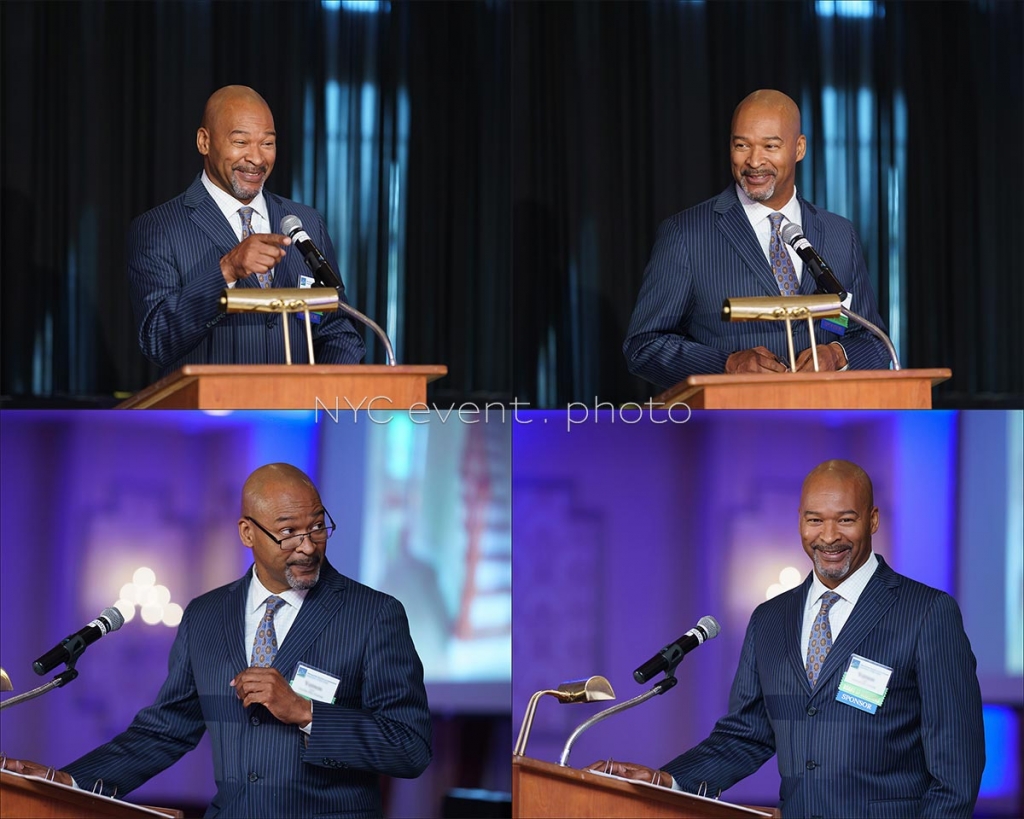
Mirrorless cameras offering an electronic shutter which is truly silent, is one of the best advantages to using mirrorless cameras over DSLRs. With these types of events, I really do prefer using a silent shutter, so I can take enough photos where the speaker doesn't have odd expressions and weird mouth shapes. You really have to over-shoot to be sure you have enough usable images which you can give to your client. With flash and the shutter sound, at quieter events, I am sure it can be distracting to the speaker to have every Read more inside...Bounce flash photography with wooden ceilings
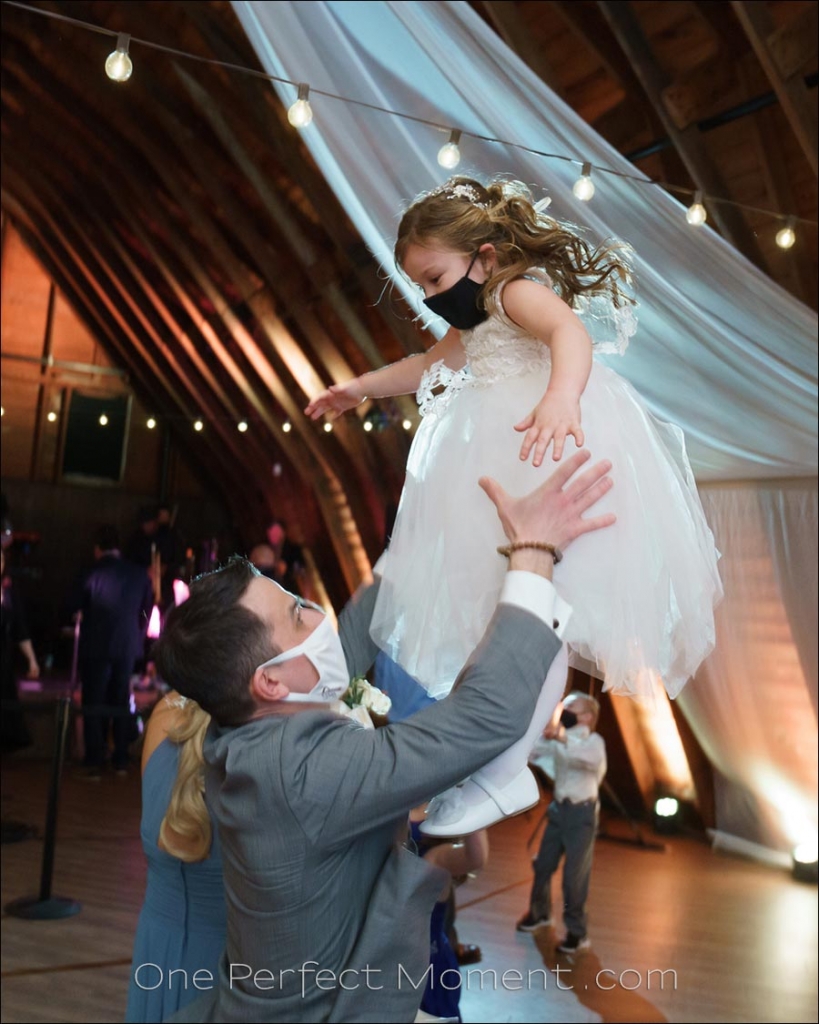
Bounce flash photography with wooden ceilings
When photographing wedding receptions, I would ideally like to get away with just one on-camera flash that I bounce off surfaces behind me. A venue with (close to) white ceilings and walls are just perfect. Super easy. Even with really high ceilings, I try to make it work. Here for example, I used a single bare on-camera flash to light up the entire place -- Wedding reception lighting with one flash. No diffuser cup or white bounce card. Bare flash with the Black Foamie Thing. But occasionally I reach the dead-end of a venue with black Read more inside...How to make your on-camera flash NOT look like on-camera flash

How to make your on-camera flash NOT look like on-camera flash
I was quite honored to be invited by the team at Zeiss Camera Lenses Americas, to take part in their series of Youtube Live events, appropriately called 'Conversations'. My friend, Tracy, who you might remember from a previous "Two Perspectives" video, where we photographed headshots on location in New York. The topic that Tracy asked me about, is one that regular followers of the Tangents blog will be familiar with - How to make your on-camera flash NOT look like on-camera flash. This Youtube Live event was held via a Read more inside...Event photography in low light

Event photography in low light
Event photography where you are photographing speakers at the event, can be challenging in its own way. The problem with taking photos of presenters, especially if they are animated, is that you have to take a LOT of photos to get a few where they look good. You don't want to give your client any photos with awkward expressions. This means you have to take so many photos just to get a few keepers. But shooting a ton of photos with flash becomes intrusive after a very short while. I therefore prefer to do the majority of photos of speakers at events, Read more inside...- 1
- 2
- 3
- …
- 8
- Next Page »