How to bounce flash
How to bounce flash
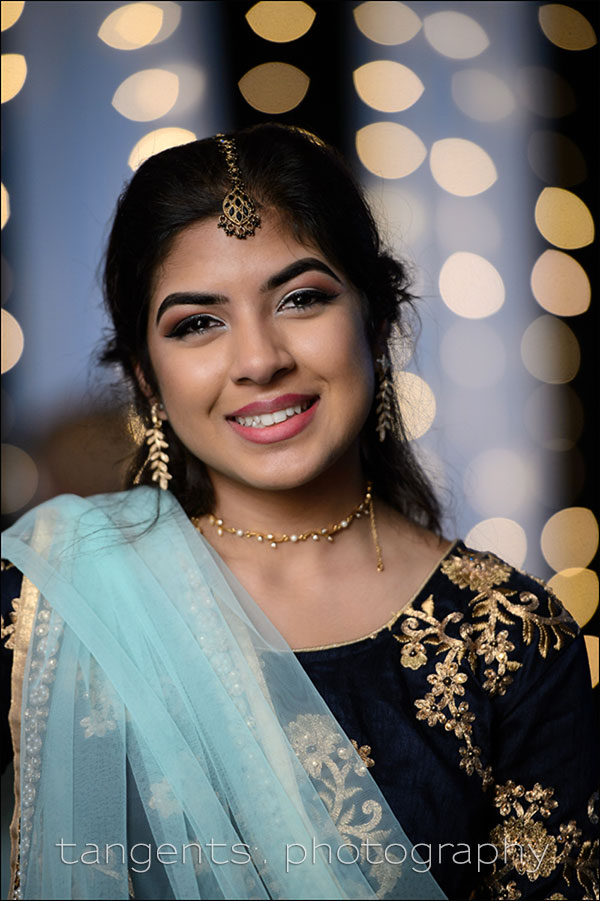
An elegant portrait of a delightful young woman, Supriya, taken at her Sweet 16 party. With events there isn't always the opportunity to use involved lighting setups, and to keep the interest of your subject, you need to shoot fast. Yet the results need to look top-class. For this I most often revert to on-camera bounce flash. How to bounce flash - this is a topic we have covered thoroughly here with previous articles. This time I want to I want to highlight an aspect of that - the direction of bounce flash - and this is best served by showing correct and Read more inside...Easy lighting setup for headshot photography
Easy lighting setup for headshot photography
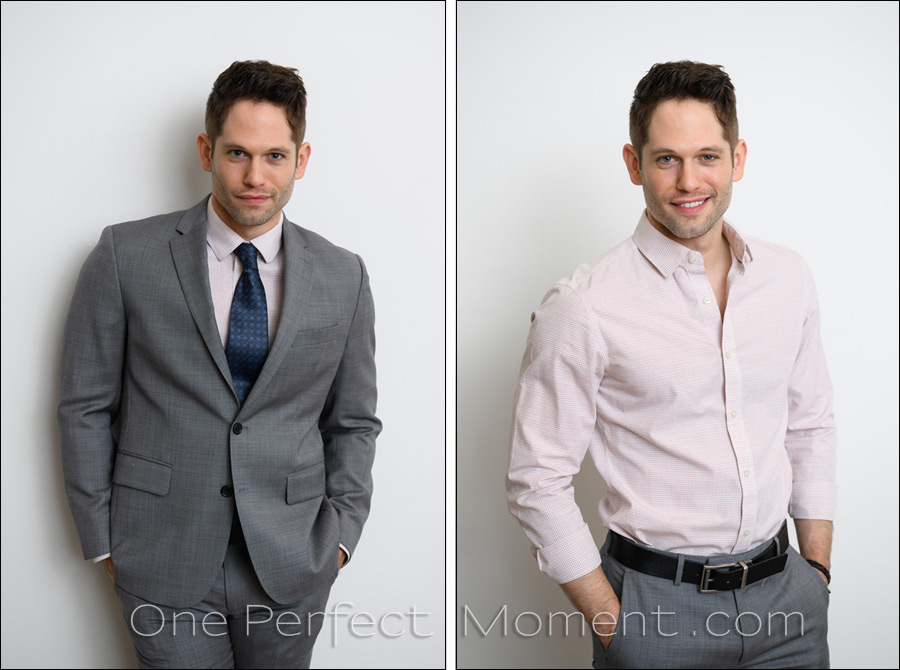
For headshot photography in the studio, I have a (flexible) default lighting setup - clam-shell lighting setup. On location (but still working indoors), I have another setup - studio lighting setup for headshots. Nothing is really specific - as long as the final results look flattering and your client loves the images. Your lighting setup should match what your client expects. Then there is also the question of logistics. I'm often asked if all that equipment is a necessity. It's not. Here is my favorite, most simple setup .... bounce Read more inside...Which direction to bounce on-camera flash?
Which direction to bounce on-camera flash?
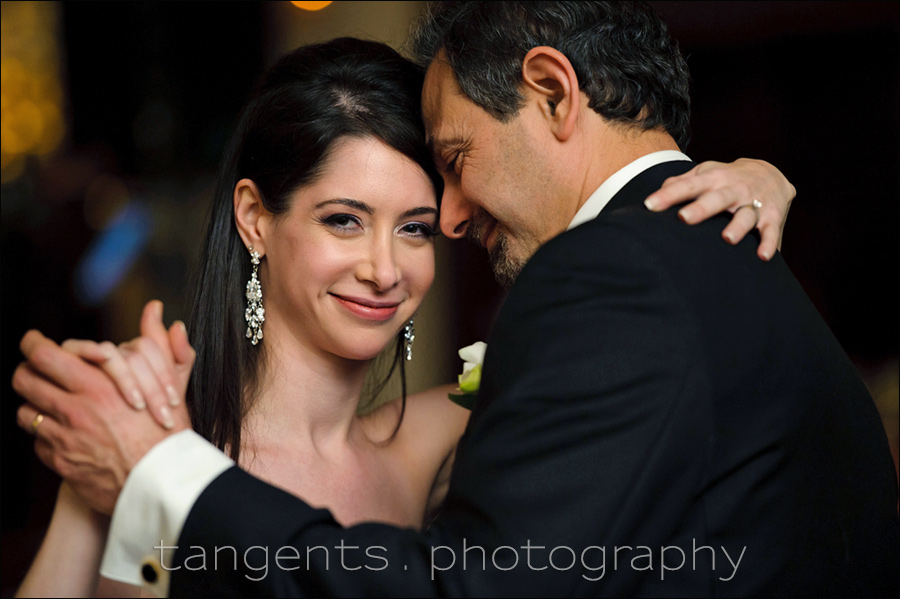
When photographing any kind of portrait with on-camera bounce flash, my main consideration is that I want flattering light. For example, this photo of the bride dancing with her dad, I want flattering light to illuminate her face. It should be obvious that I decided to bounce the flash towards camera-right, so that the light comes in from that direction. I don't want to light up the side of her head. I want to light up her face. This means that as the couple rotate, I will continually adjust the direction that I bounce my flash into. This Read more inside...Improve your portrait photography: Lighting with bounce flash
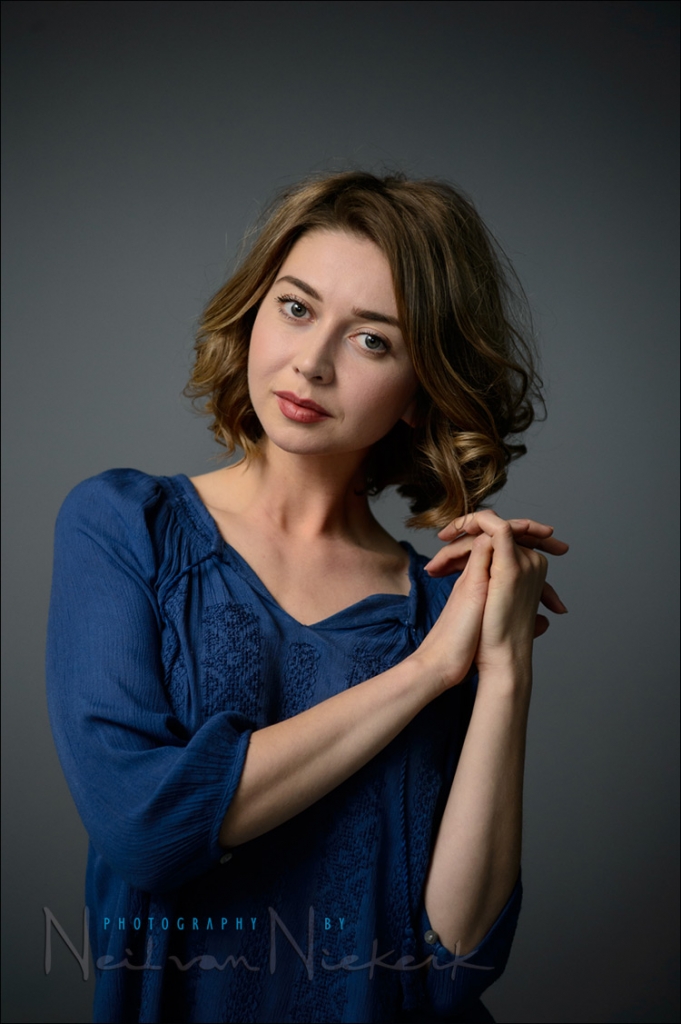
Improve your portrait photography: Lighting with bounce flash
For a straight-forward but effective portrait like this, there are just a few things that have to come together ... all within your control as the photographer: Framing / Composition This is mostly as simple as looking at the edges of the frame in your camera's viewfinder, and then deciding how much head-room or breathing room you want to allow. Also look at the background, and exclude what doesn't add to your photograph. In this example, it was easy enough, working in my studio which has a grey wall. So often Read more inside...Bounce flash off a dark ceiling
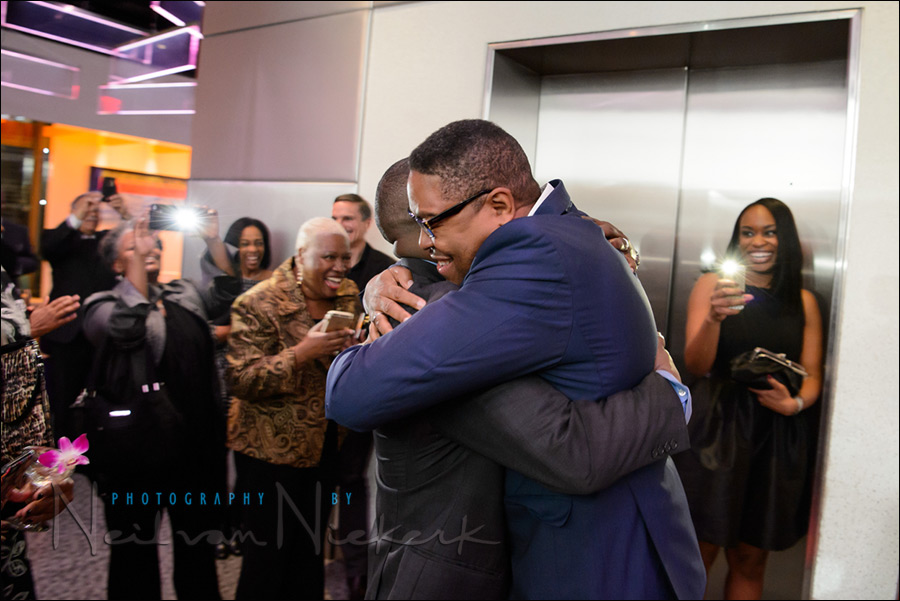
Bounce flash off a dark ceiling
A recurring topic on Tangents is how to bounce flash in pretty extreme situations. With a related article - bounce flash outdoors with a reflector - I showed some images from an event at a New York restaurant. I intensely dislike direct, hard on-camera flash. Yet, this venue had all kinds of corners, and no place to effectively place off-camera flashes on light-stands. The venue had an interesting ceiling. And with "interesting", I mean tough. The ceiling was dark, with black panels at different angles. Here are photos of the ceiling and walls, to Read more inside...Bounce flash outdoors with a reflector

Bounce flash outdoors with a reflector
There are occasions where you really need to work fast with flash - time might be tight, or it might just be too cold outside to linger. After photographing John's surprise 50th birthday party, John and Stacie and I went outside to Columbus Circle for portraits of the two of them. After the high of the party, I wanted to keep the momentum as well by working fast. And since it was mid-November in New York, it was nearly certain that the late night air would be nippy. I didn't want to use direct on-camera flash - I wanted that diffused Read more inside...book: On-Camera Flash Photography (2nd ed)
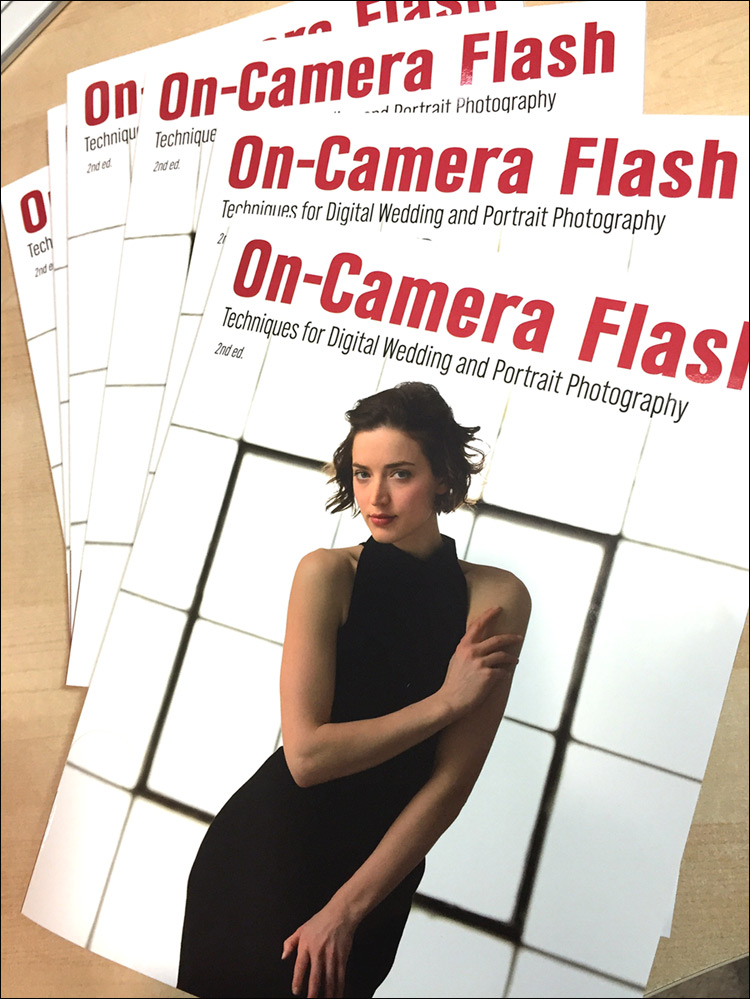
book: On-Camera Flash Photography (2nd ed)
The extensively revised and updated book, On-Camera Flash (Amazon), is now available on Amazon. Based on the best-selling 1st edition, this is more than just a cosmetic overhaul. Combining older material which have been polished and streamlined, with lots of new material and trawling the Tangents blog for the best material on how to use your on-camera flash to best advantage. Details about the book: On-Camera Flash (2nd edition) You can either purchase a copy via Amazon USA or Amazon UK. The book will also available as Read more inside...Bounce flash photography – be bold!
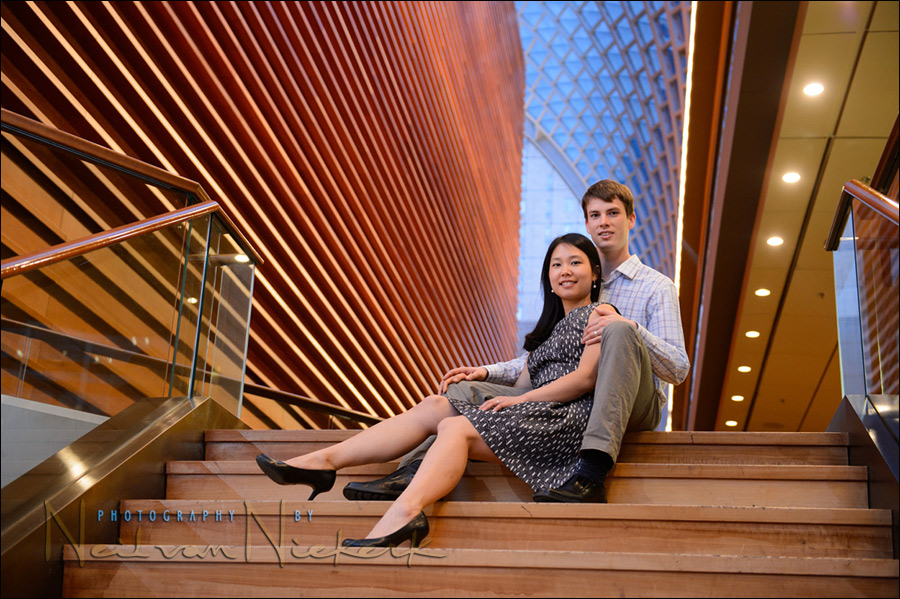
Bounce flash photography - be bold!
With on-camera bounce flash photography, there is the initial idea that you need a white wall or ceiling to bounce off. With these examples from an engagement photo session of DaWeon and Toban, I want to show that it is entirely possible to really enhance the available light on location, with some unexpected bounce flash. For those who are just joining us now, here is a tutorial on bounce flash. We're just expanding here on that article. The essential idea from that tutorial - you bounce flash into the direction you want the light to come from. Read more inside...Flash photography: How far can you bounce your flash?
Flash photography: How far can you bounce your flash?
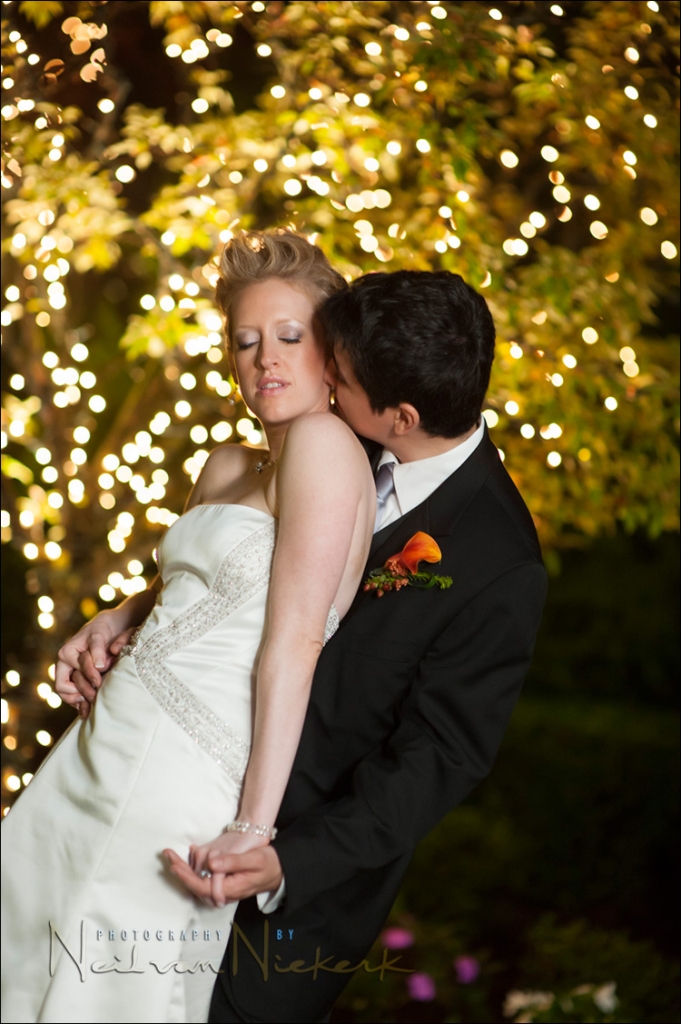
The question regularly comes up: how far can you bounce your flash? The answer is quite straight-forward: It depends on the power of your flash, the bounce distance (and surfaces), ISO and aperture. Power, distance, aperture and ISO - the four things that control flash exposure. Yup, we can't really escape this. So how far can you bounce your flash? It depends on how far (and reflective) the surfaces are that you are bouncing your flash off; as well as how high you're willing to take your ISO and how wide you can take your Read more inside...- « Previous Page
- 1
- 2
- 3
- 4
- …
- 6
- Next Page »