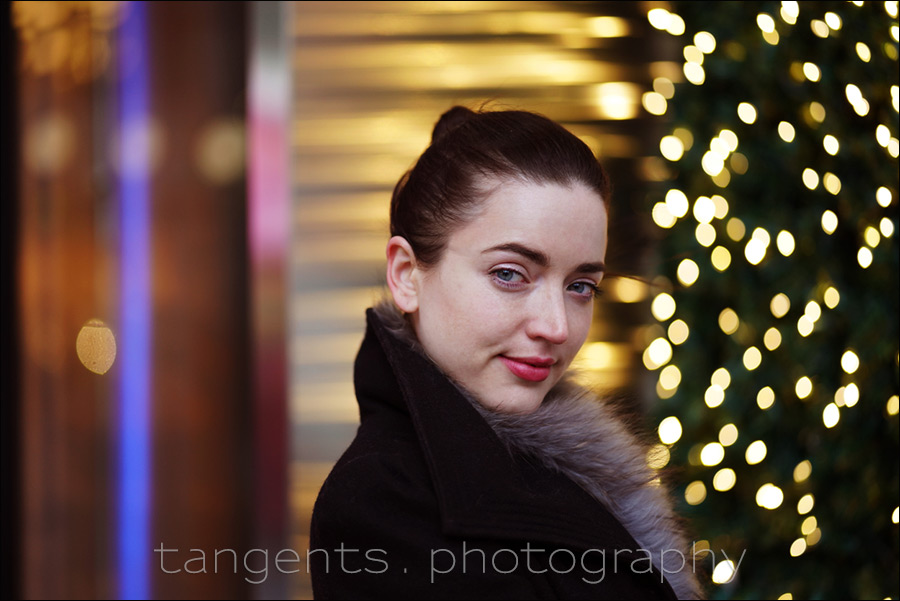
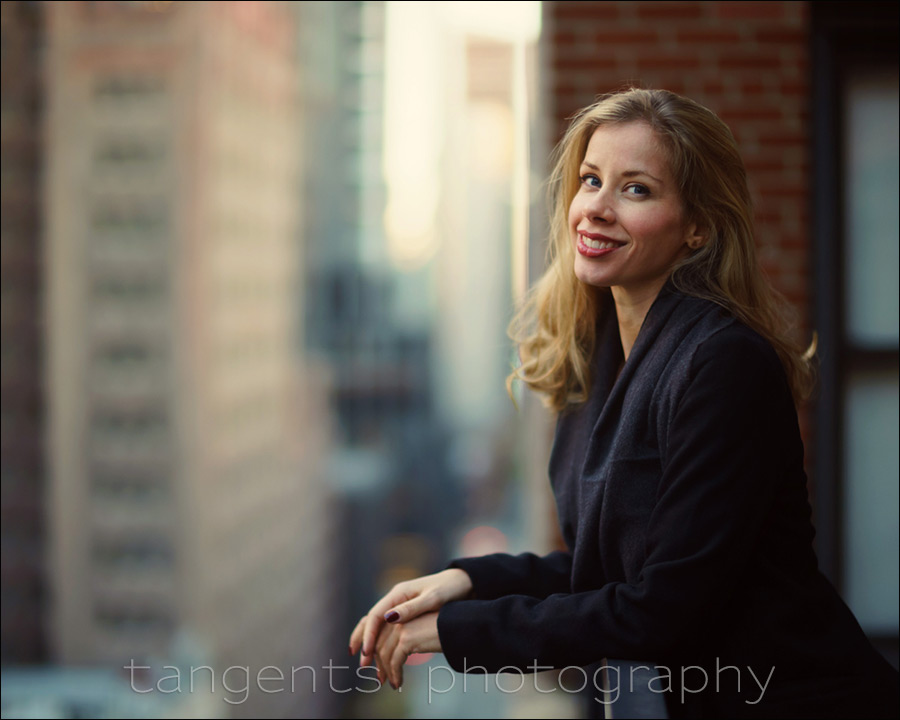
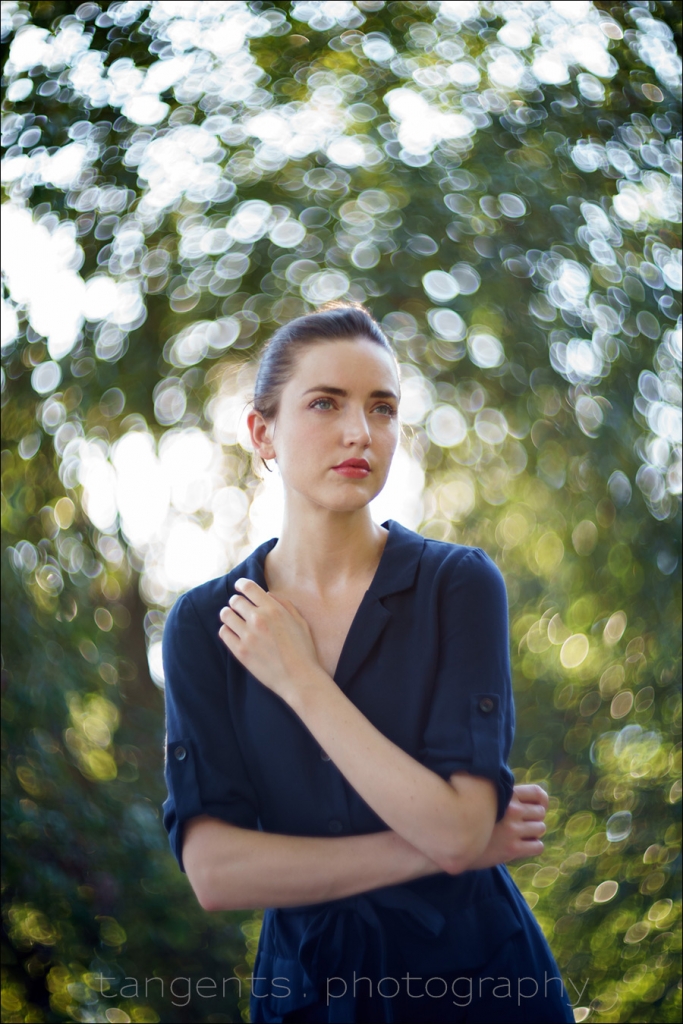
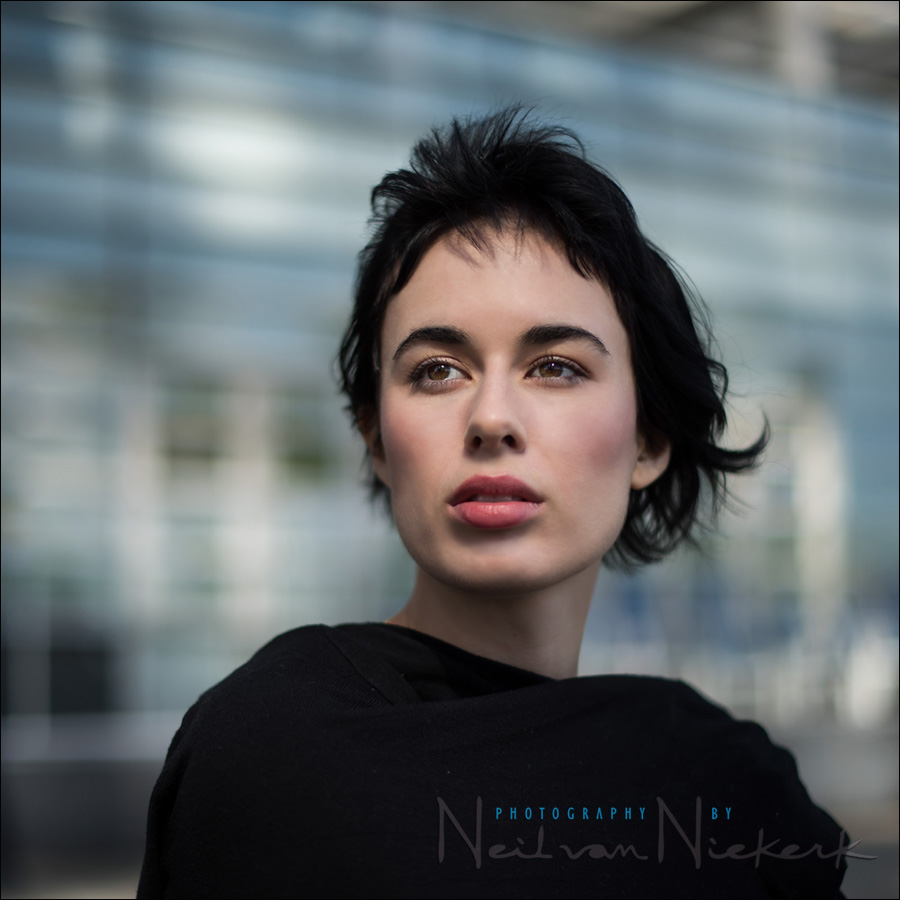
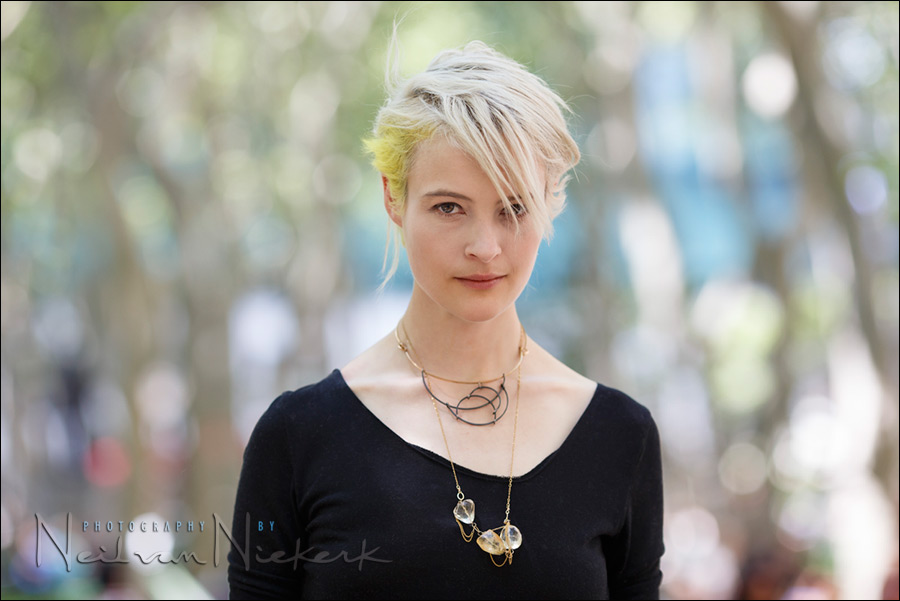
How do you get more bokeh? Let me explain ... you can't! Using "bokeh" as a phrase like that makes no sense. Bokeh and shallow depth-of-field (DoF) aren't equivalent. DoF does affect bokeh to a certain measure, but it's not the same thing. You can not use those phrases interchangeably. Phrases like "give it more bokeh" hurt our sensibilities because it is nonsensical.
Bokeh is a description of the QUALITY of the background blur. There's no QUANTITY to it, hence you can't give more or less bokeh.
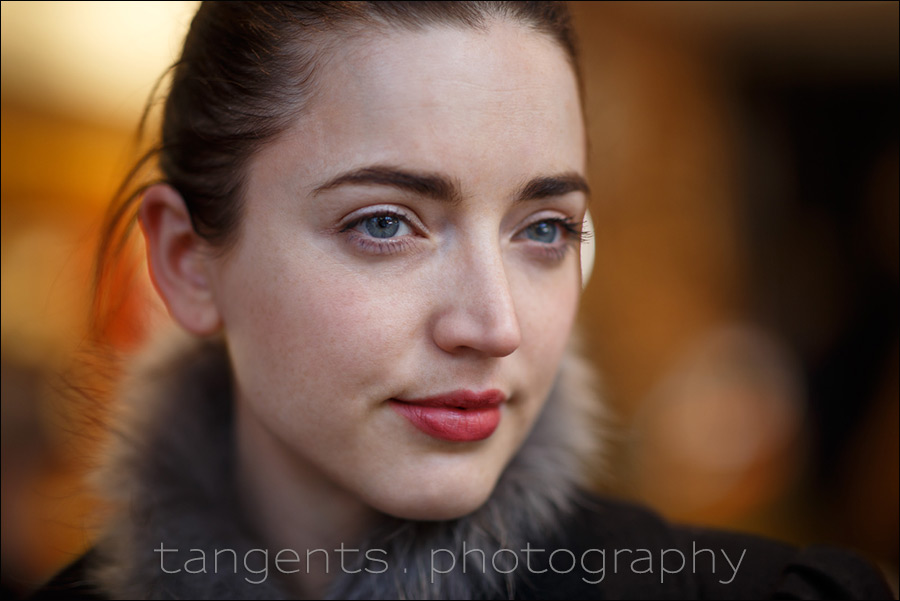
In this image, shot with a Nikon 50mm f/1.4 Read more inside...
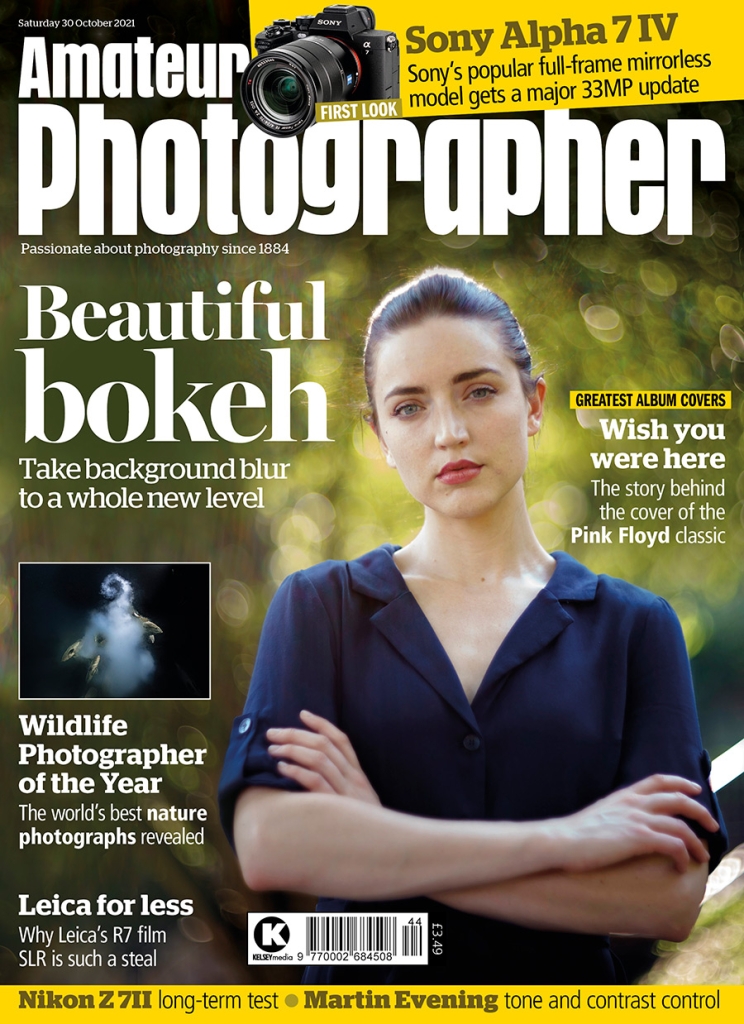
Published in Amateur Photographer : Beautiful bokeh
Like every photographer newly bitten by the photography bug, I read voraciously about my new hobby - although I think in recent years Youtube has become the main source of info for photographers. One of the magazines I would devour every week, was Amateur Photographer. It is incredible to think this magazine has been going since 1884. Incredible longevity.
And with that, it was quite an honor when the team at AP asked if I wanted to contribute an article on bokeh. It's one of my pet hates in photography when people interchange Read more inside...
My favorite adventure in photography for the past year or so, has been to explore vintage lenses. Many of these lenses render the background in an interesting or unusual way which makes them appealing in helping to create a distinctive look to your photography. A recent purchase was the Trioplan 100mm f/2.8 lens (affiliate) for use with my Sony A7ii camera. The Trioplan 100mm f/2.8 is well known as the 'soap-bubble bokeh' lens. Created by the Meyer Optik Görlitz company, it gives perfectly spherical circles in the background when used in Read more inside...
In the accompanying review article, the Canon 85mm f/1.4L IS lens (B&H) really stood out in terms of image sharpness. Here I want to linger a bit on the bokeh of this lens, especially as compared to the much-loved Canon 85mm f/1.2L II (B&H).
The comparison includes these three lenses, since they are in the same league:
Canon EF 85mm f/1.4L IS lens (B&H)
Canon 85mm f/1.2L II (B&H)
Sigma 85mm f/1.4 ART (B&H)
Please also check out the review: Canon EF Read more inside...
I'm a bit of snob when it comes to the sharpness of lenses. Vintage lenses and lenses such as the Mitakon Speedmaster 50mm f/0.95 are the exceptions - they have a specific character. Modern lenses though - I want them sharp. As a friend once said, there's sharp, and then there's stuff you can shave with. Until now, I’ve had no native Sony lenses - just a drawer full of vintage lenses for the Sony - so I had to go out and buy a proper Sony FE lens to use with the only A7R III. Since I use Nikon cameras for the serious work, I couldn't justify the Read more inside...
The Mitakon Zhongyi Speedmaster 50mm f/0.95 (B&H / Amazon), is an immediately impressive lens - it has that unusually wide aperture. Zero point nine five. Just how good is it then, you may well ask. Lenses with super-wide apertures tend to show some softness and optical aberrations when used wide open. Similarly then with the Mitakon Zhyongi - there are definite optical flaws, but this also adds to the character of the images you get with this lens. It's not just the super-shallow depth-field that defines Read more inside...
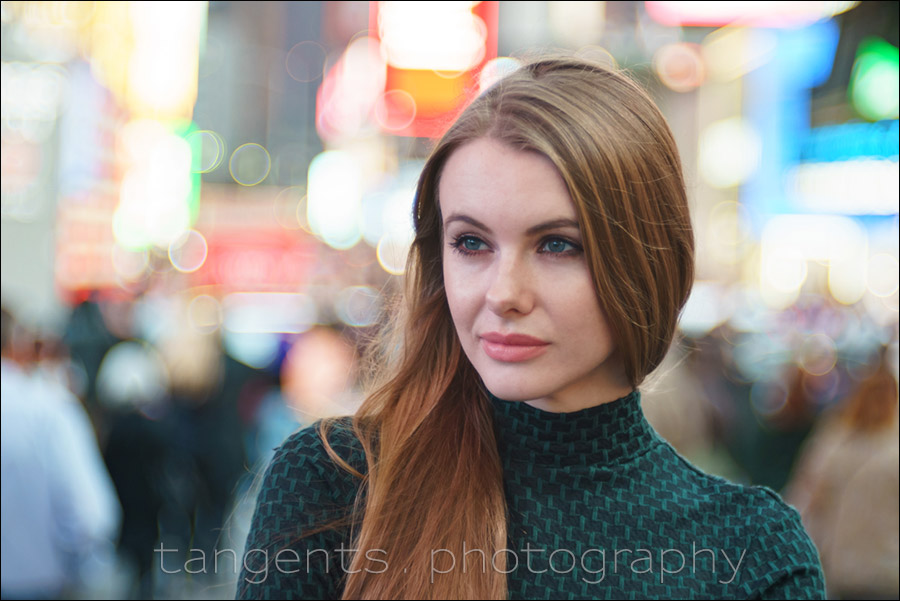
That crazy bokeh there is via the Mitakon Zhongyi Speedmaster 50mm f/0.95 (B&H / Amazon), taken at widest aperture, giving this wafer-thin depth of field. Even though this is a new lens, I would classify it as a classic or vintage lens. It is manual focus, and gives that delicious look to images exactly because of that DoF and bokeh. In terms of the composition, I like how the blue lights in the foreground is echoed by the same lights in the background.
How this photo session with Anastasiya came about ...
My friend, Parker J Read more inside...
The quest to add an interesting, eye-catching element to a photograph, often leads us photographers to start working with lenses that have a distinctive bokeh. One of the more affordable vintage lenses that gives a distinctive bokeh and is also a perfect portrait focal length, is the Soviet made Helios 40-2 85mm f/1.5 lens (for Canon / for Nikon). The 85mm Helios is also is surprisingly affordable as photography gear goes.
The swirly bokeh is fairly distinctive of the Helios optic. Adding this kind of Read more inside...
Somewhere at the start of the adventure that is photography, a newer photographer will soon realize that having your subject stand out from the background, really gives the photo a near-3-dimensional effect. Your subject just pops out with the background blurred. The question of how to get blurred backgrounds in photos, is easily answered.
There are two ways to blur the background in a photography - In-camera (i.e., optical) vs Photoshop. Doing it in Photoshop is in my opinion, a boring way to spend an afternoon when you could be out Read more inside...
Review: comparison Canon 135mm f/2L vs. Canon 70-200mm f/2.8L IS II
One lens that has a huge loyal fanbase, is the Canon 135mm f/2L USM lens (B&H / Amazon). It has a wide aperture for a medium telephoto lens, and the lens is small and compact. Unassuming. Easy to love.
Then the inevitable question comes up from photographers stepping into getting their first telephoto lens - which is the better choice? How does the Canon 135mm f/2L compare to the Canon 70-200mm f/2.8L IS II zoom?
The advantages to the Canon 70-200mm f/2.8L IS II (B&H / Amazon) is Read more inside...