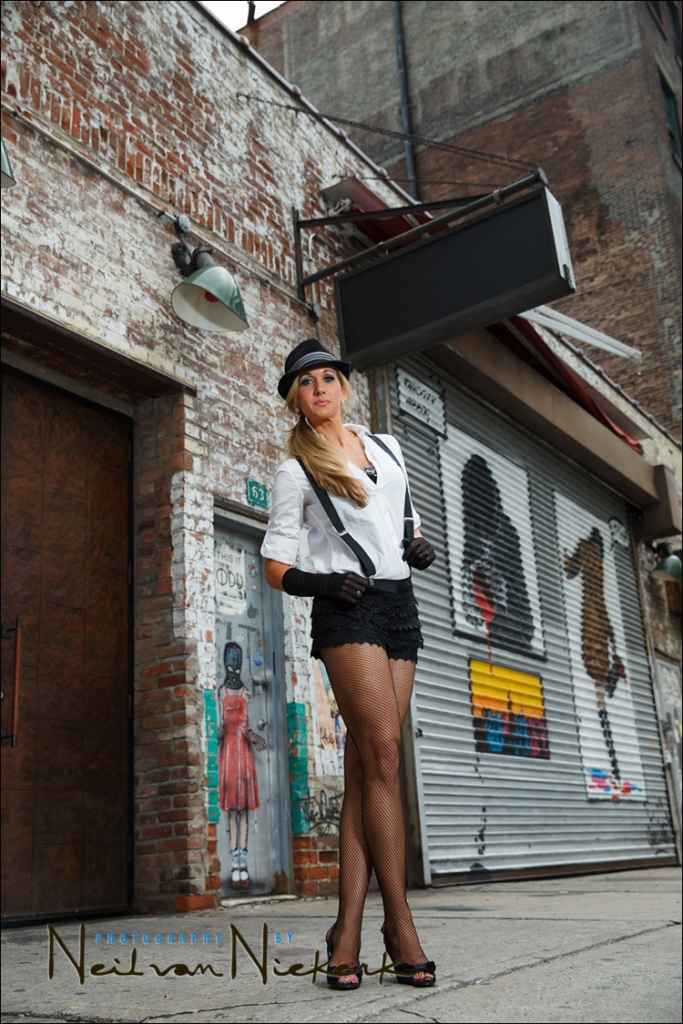
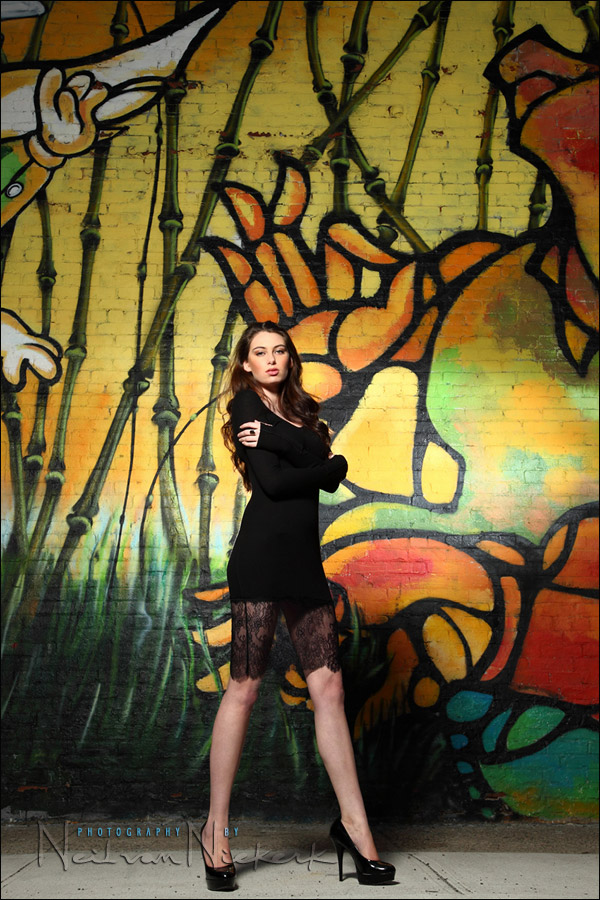
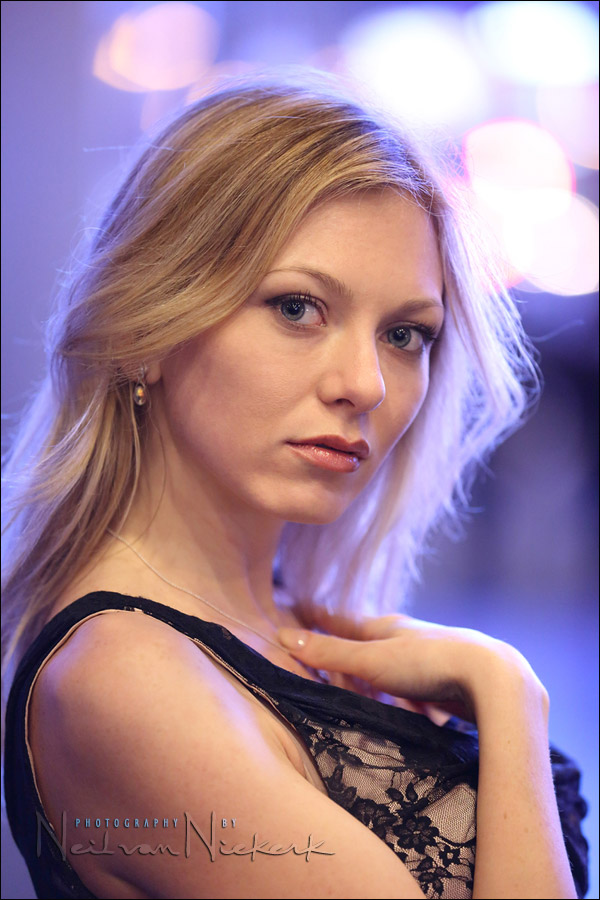
To test the Canon EOS 6D camera (B&H / Amazon), and the Canon 24-70mm f4.0L IS lens (affiliate), I met up with Anastasia Z in New York. She had such presence and confidence, that while shooting stills of her earlier in the day, I had an idea of a video sequence we could do. And with that, here is an overview of how well the Canon 6D fares as a video camera.
So when the light levels starting falling this afternoon, we went to Times Square, which is always insanely lit up by the numerous billboards. An ever-changing Read more inside...
It was with great excitement that I received a review copy of the new Canon 24-70mm f/2.8L II (B&H / Amazon) lens. There were several reasons that this highly-anticipated lens interested me. My experience with Canon gear has been ... let's just say it's been an uneven experience at times. There are specifically two lenses that got my ire - the Canon 16-35mm f/2.8 II and the (original) Canon 24-70mm f/2.8
The older Canon 24-70mm f/2.8 has a bit of a reputation. While some people love it, others hate it for being an inconsistent lens. Read more inside...
I know there's a lot of curiosity about this topic - whether I shoot with Nikon or Canon or Sony. Or why I would have multiple systems, or shoot with a camera other than they expect. It seems that whenever I post here about which camera gear I use currently, some people are surprised that I'm not using Canon.
This article was first posted in 2012, and this is the 2024 update, with some necessary changes. The theme remains though : I can honestly say that I will never use Canon cameras professionally again. At the moment (2024) I do have various Read more inside...
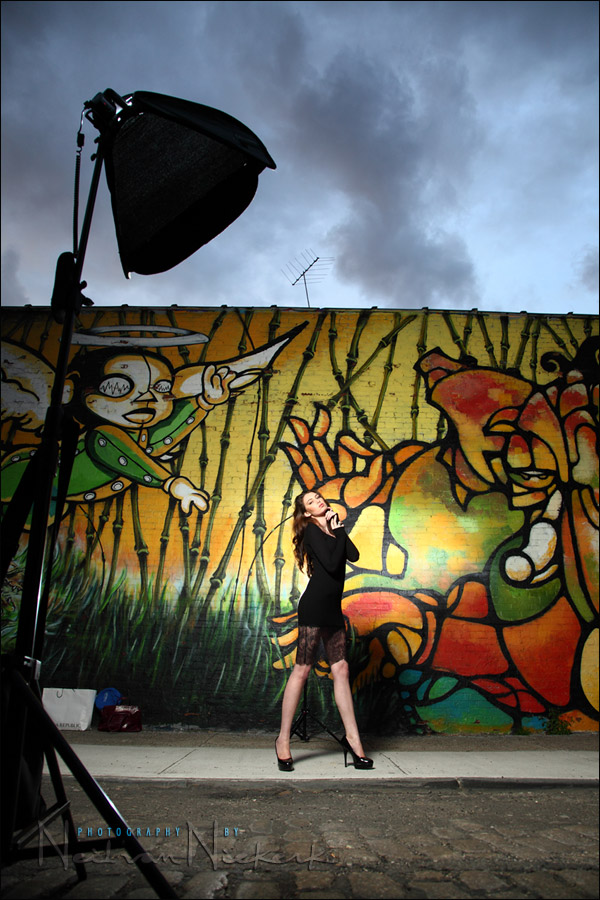
Anyone who regularly follows the Tangents blog or has my 2nd book, off-camera flash photography, might recognize Sarah. When she told me she was visiting New York, I made sure that I squeezed in a photo session with her in my schedule. The weather on the day was grey and drizzly ... enough reason to juice it up with some off-camera flash. And then play with the images in post-processing a bit.
On this rainy day there were random pools of water in the street, and it took just a few minutes to find a viewpoint where we could get Sarah's Read more inside...
In my review of the Canon Speedlite 600EX-RT, I raved about the ease of use of the new speedlite by Canon that has built-in radio transmitters. The same with my subsequent review Canon ST-E3-RT Transmitter. This system is going to have huge impact!
The behind-the-scenes video clip as I set every thing up, is of the photo session with Molly K where I used Canon 600EX-RT Speedlite (B&H / Amazon), and the Canon ST-E3 Speedlite Transmitter (B&H / Amazon), during an actual shoot. You can actually hear the Read more inside...
review: Canon ST-E3-RT Speedlite Transmitter and Canon 600EX-RT
In my review of the Canon Speedlite 600EX-RT, I've already raved about the ease of use of the new speedlite - thanks to a menu system that you can follow without having to decipher it via a manual), but mostly because of the built-in radio control of the flash. This elevates the Canon 600EX-RT to a new level. As mentioned in my review, I really think this flashgun will change things in the photo industry. It's huge.
The main advantages of the Canon ST-E3 Speedlite Transmitter (B&H / Amazon), is that you Read more inside...
Summary: Right off the bat, let me say it - this speedlite, the Canon 600EX-RT (B&H / Amazon), is going to change the industry. Nothing is going to be the same again.
A speedlite that has radio transmitters built in, has been anticipated for quite some time now. It just makes sense. So it was just a matter of time before one of the big camera manufacturers did this ... and Canon is the first. And they didn't drop the ball on the rest of the speedlite's features, or with the functionality of this piece of gear. It's easy to use, with Read more inside...
review: Canon EOS 5D Mark III - high-ISO noise performance
I have to confess something first - whenever an important camera is announced, I have just a cursory interest in the specification sheet. The difference between 40 AF sensors and 70 AF sensors ... you know, that's just a number on the paper. It never really tells you how the camera performs. And with the announcement of the details of the Canon 5D Mark III (B&H / Amazon), there were a number of websites eager to list the detailed specs. Yay! Well, not really.
There might be some interest in the nomenclature, Read more inside...
Canon wireless e-TTL flash triggers / radio transmitters
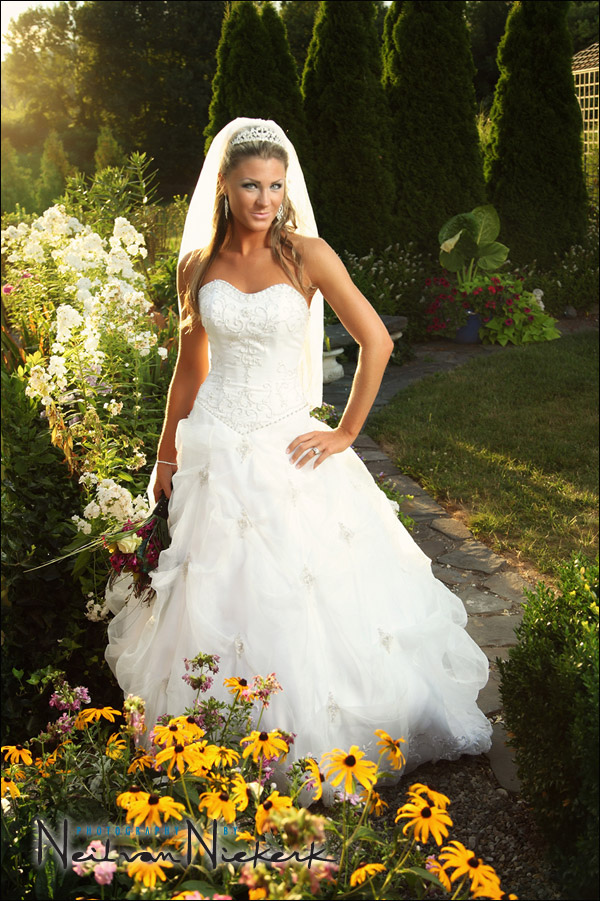
A bridal portrait (taken during one of the photo sessions arranged by the Hudson Valley Click), where it is easy to see the advantage of using off-camera lighting.
The strong back-lighting is used as a way to highlight the background and have the rim-lighting etch our model against the background. Of course, having her turn her back to the sun also helps with not having our model squinting in the bright light. We immediately avoid unflattering hard light on her face. But we then do need to add off-camera lighting of some Read more inside...
Canon updated their already highly regarded 300mm lens, with the Canon 300mm f/2.8L IS II (B&H / Amazon). For a review of the Canon 300mm f/2.8L IS II. I wanted to try something a little different. I wanted to use the wide aperture of the lens, as well as the compression that a 300mm lens offers, to shoot video of a model, Lea Liu. Instead of just photographs, I decided and create a "moving portrait" of her. This will hopefully show some of the magic that you can get with a wide-aperture telephoto lens.
The video footage was Read more inside...