
Best photo umbrella for a home-studio & indoor headshots
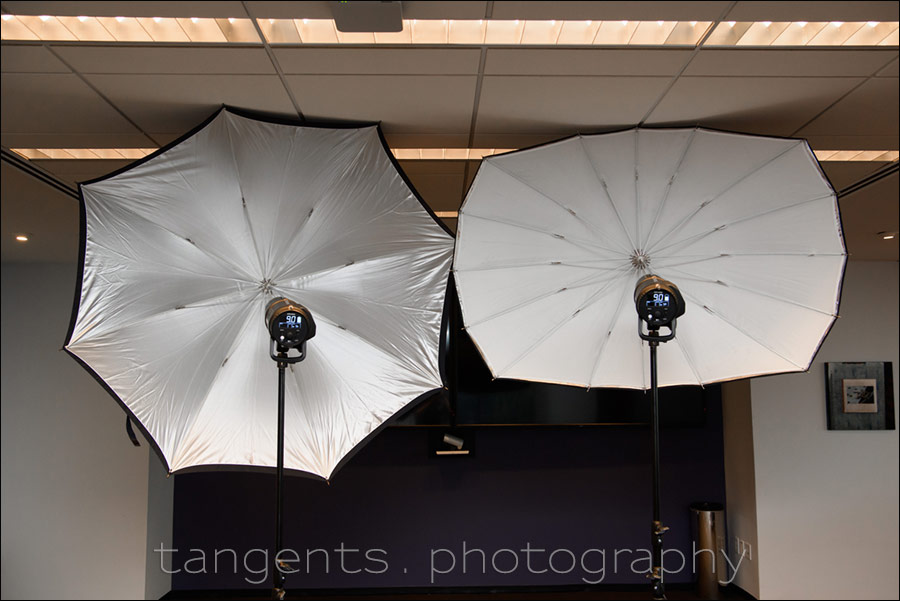
Best photo umbrella for a home-studio & indoor headshots
When I discovered the rectangular photo umbrellas, my first reaction was, "so what's the point", but then someone explained to me that it allows you to get the center of axis closer to the ceiling (or a wall). Brilliant! It instantly made sense why a rectangular photo umbrella might be more useful indoors than the traditional, round umbrella. I would even go so far as to say that a rectangular photo umbrella is the best umbrella for a home-studio & indoor headshots. Along with my usual array of light modifiers, I now Read more inside...review: Fuji X-T2 camera

review: Fuji X-T2 camera
The Fuji X-T2 (B&H / Amazon) is one of the most likable cameras I have ever handled, and up there with the best cameras. Ever. Fuji made immediate impact with their Fuji X-100 camera, which had sexy retro appeal, especially with the optical viewfinder. Since then, Fuji has released cameras which retain that kind of appeal, which culminated two years ago in the Fuji X-T1 - a camera which also really impressed me, as mentioned in my review: Fuji X-T1 camera. Now we have the Fuji X-T2 which in some ways, is a considerable jump up from the Fuji Read more inside...Best photography purchases of 2016
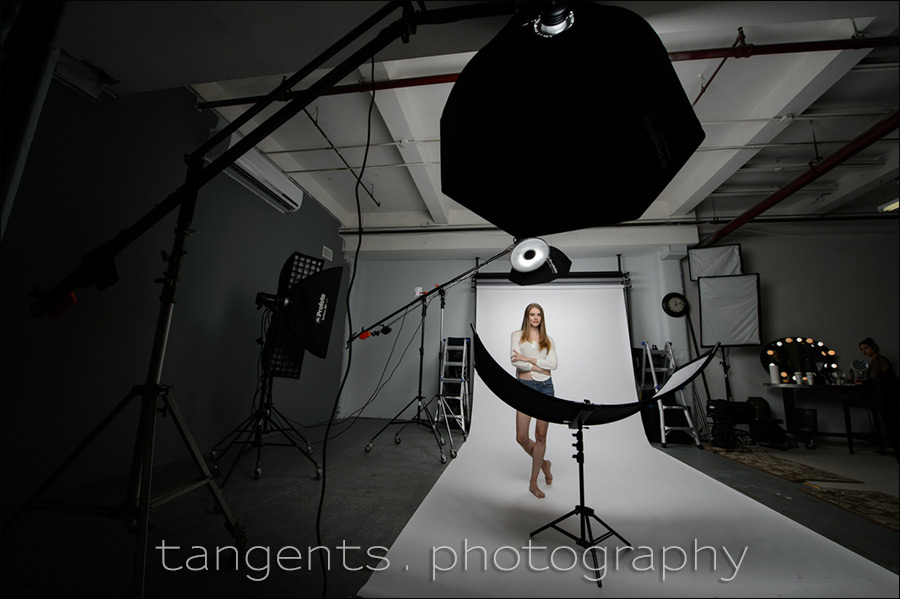
Best photography purchases of 2016
The lists of best photography purchases from previous years received a lot of interest and comments. The somewhat amusing thing looking back at those lists, is that I have since sold some of the equipment - I either upgraded, side-graded ... or changed direction. Such is the fluid nature of photography technology, and also running a photography business. Things change. Similarly, this year, there were several pieces of photo gear that I bought that I hope will make a difference. Well, better than just "hope", I plan on them making a Read more inside...review: Canon 5D mark IV – high-ISO noise

review: Canon 5D mark IV - high-ISO performance
The Canon 5D mark IV (B&H) offers a bunch of new features which are exciting: higher resolution than the previous incarnation of the 5D series. It now offers 4K video. The autofocus has also been improved - a weak point of the previous 5D bodies. There is also new features such as Dual Pixel RAW - a way for fine adjustments to be made after the image is taken, to make slight adjustments to the focus point to improve the fine details recorded. The 4K video capability also allows you to grab 8.8MP still frames during Read more inside...Nikon D5 high ISO noise performance

Nikon D5 high ISO noise performance
With the increasing complexity of digital cameras these days, such as the Nikon D5 (B&H / Amazon), it has also become increasingly more difficult to give a comprehensive overview unless it is via a website dedicated to just camera reviews. So I will be rolling out mini-reviews along the way, as I use this and other cameras. The Nikon D5 ups many features and spec from the previous generations - Nikon D4 / D4s - by offering 4K video, higher resolution, improved AF and better high-ISO noise performance. I will do a more specific Read more inside...Review: Canon 135mm f/2L vs. Canon 70-200mm f/2.8L IS II
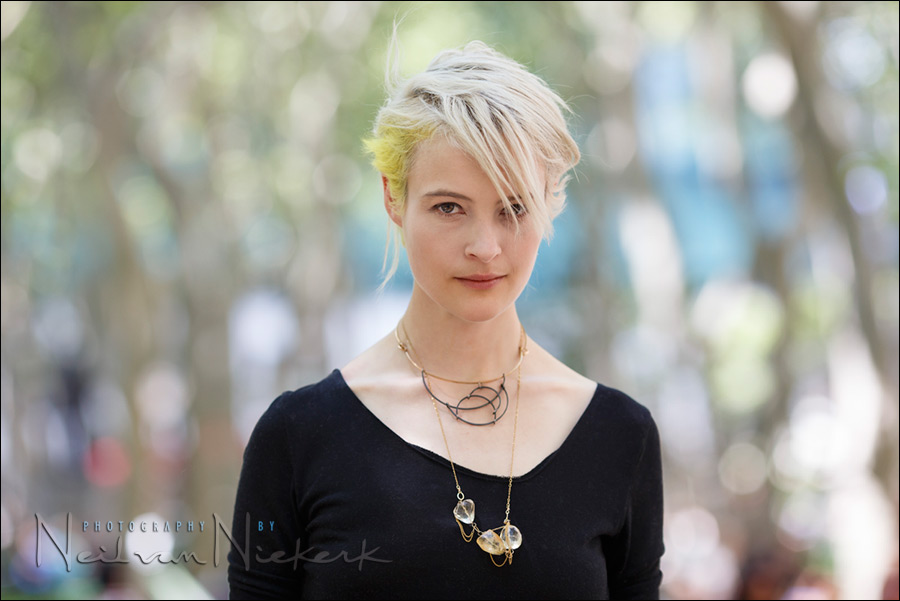
Review: comparison Canon 135mm f/2L vs. Canon 70-200mm f/2.8L IS II
One lens that has a huge loyal fanbase, is the Canon 135mm f/2L USM lens (B&H / Amazon). It has a wide aperture for a medium telephoto lens, and the lens is small and compact. Unassuming. Easy to love. Then the inevitable question comes up from photographers stepping into getting their first telephoto lens - which is the better choice? How does the Canon 135mm f/2L compare to the Canon 70-200mm f/2.8L IS II zoom? The advantages to the Canon 70-200mm f/2.8L IS II (B&H / Amazon) is Read more inside...Gear list – Starting out with off-camera flash

Gear list - Starting out with off-camera flash
You can get great lighting with just on-camera bounce flash when shooting indoors, as shown in this related article - Lighting with bounce flash. But at some point you might want more flexibility and consistency. Or you might run into problem scenarios with bounce flash, such as colored walls and ceilings. Or you might run into a situation where you can't use any bounce flash at all, and the available light isn't ideal. Then it is time to step it up with off-camera flash. Starting out with off-camera flash photography might seem Read more inside...review: Best Canon 50mm lenses – lens sharpness

review: Best Canon 50mm lenses - lens sharpness
Continuing on from the review of the bokeh of Canon 50mm lenses, let's have a look at image sharpness. Clearly, there is more to deciding on a lens than just sharpness, and we discussed one of those aspects in that article on bokeh. Often it comes down to a balance between your budget, and what you expect from the lens - but usually, image sharpness is the key factor. It could be argued that 50mm is a less thrilling focal length - not wide enough for scenic views, nor long enough to compress perspective. Still, a 50mm lens is often Read more inside...review: DJI Osmo camera & gimbal

review: DJI Osmo camera & gimbal
For the birthday celebration of two of the members working for Modern Gypsies productions, a bunch of their friends were invited to help assemble a Chinese Dragon ... and then the group of us wove our way down the sidewalks of Brooklyn where we ended up at a night-club. This was also a perfect time to test my new DJI Osmo camera and gimbal (B&H / Amazon). The camera offers up to 4K resolution, and has a 3-axis gimbal for stabilization. The video clip above is a 3 minute long compilation of video footage that I shot with Read more inside...- « Previous Page
- 1
- 2
- 3
- 4
- …
- 10
- Next Page »