
Event photography in low light

Event photography in low light
Event photography where you are photographing speakers at the event, can be challenging in its own way. The problem with taking photos of presenters, especially if they are animated, is that you have to take a LOT of photos to get a few where they look good. You don't want to give your client any photos with awkward expressions. This means you have to take so many photos just to get a few keepers. But shooting a ton of photos with flash becomes intrusive after a very short while. I therefore prefer to do the majority of photos of speakers at events, Read more inside...Bounce flash photography – when to use maximum flash power
Bounce flash photography - when to use maximum flash power
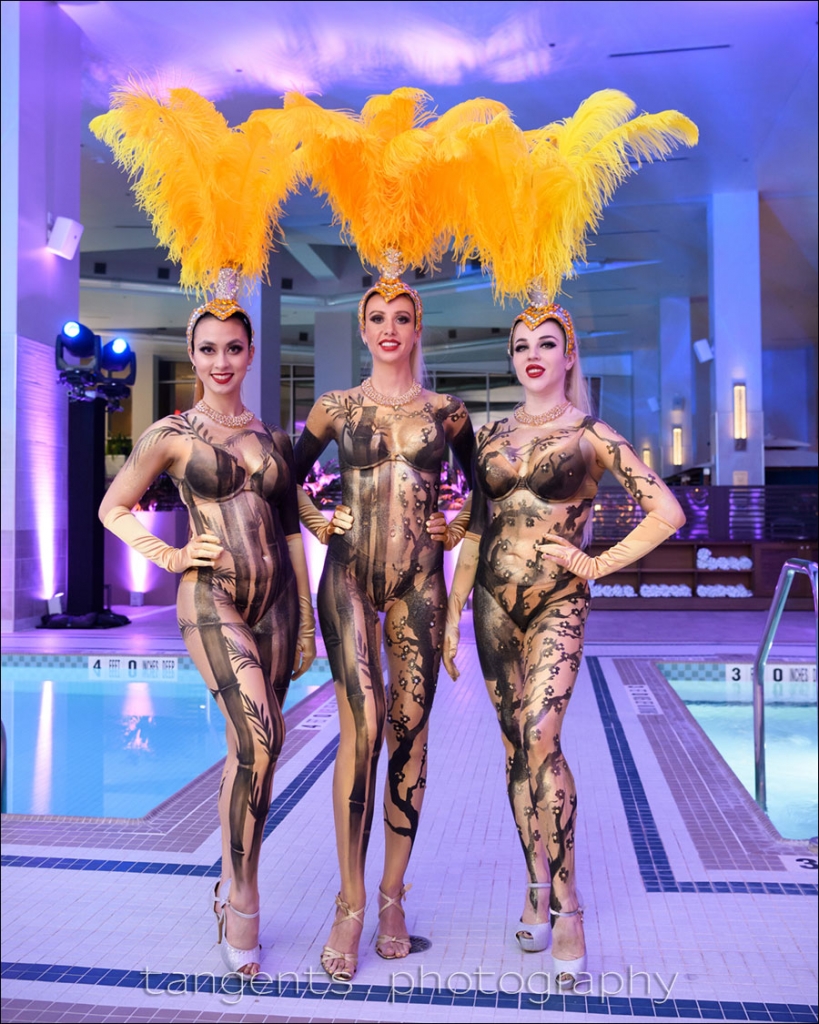
This photo is straightforward enough - the event coordinator here asked that I take a few photos of the models in body paint. No time to fumble or look unsure. Again, there are simple recipes to get us to ideal settings. The reception area around the indoor pool is really large with a super-high ceiling at this casino. There's enough light to see, but it is all tainted with this strong purple and blue uplighting. Therefore flash becomes a necessity. I need cleaner light - more neutral light - on my subjects. Skin tones Read more inside...Impromptu portrait with bounce flash
Impromptu portrait with bounce flash
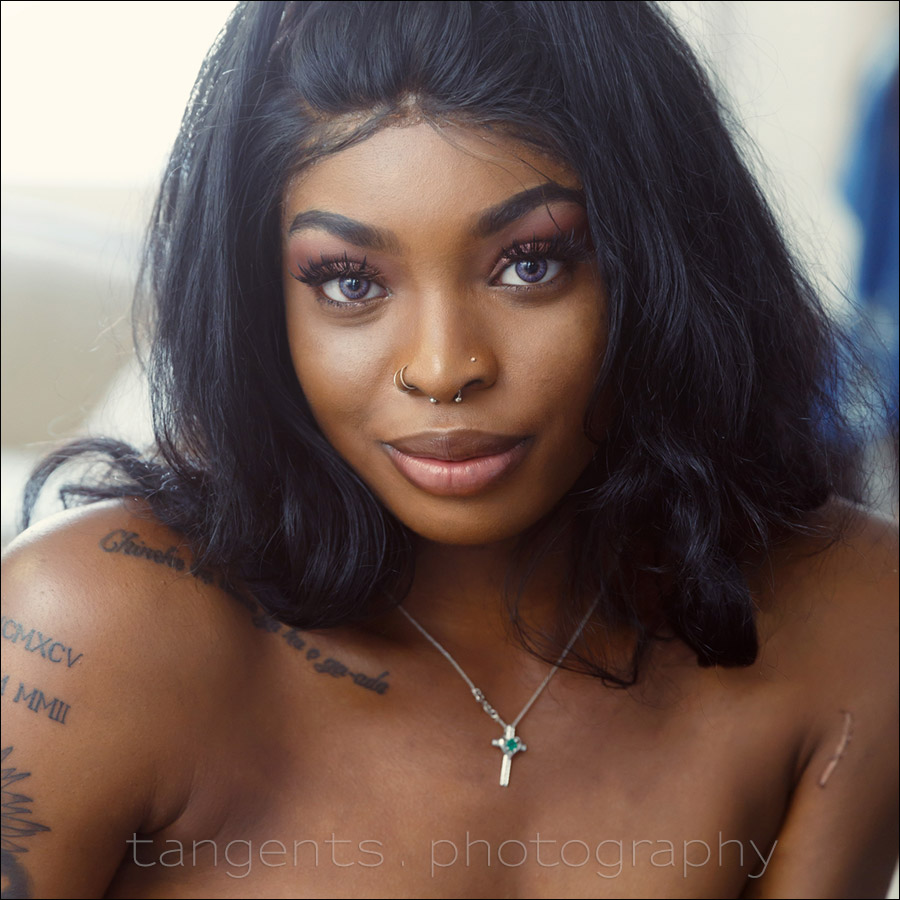
Faustina, a model, arrived early for the video shoot in the studio today. We chatted while she waited for her team to arrive. She had questions about photography ... so she earned herself a lecture about photography. That's what you get for hanging out with me. Careful what you ask for! On-camera bounce flash, the usual, proper way for awesome light. This really is an impromptu photo - not overly posed, to show her how I use flash. And I think that is the point of this - flash photography can look *this* good with minimal effort. Minimal Read more inside...Review: Canon Speedlite 470EX-AI flash
Review: Canon Speedlite 470EX-AI flash
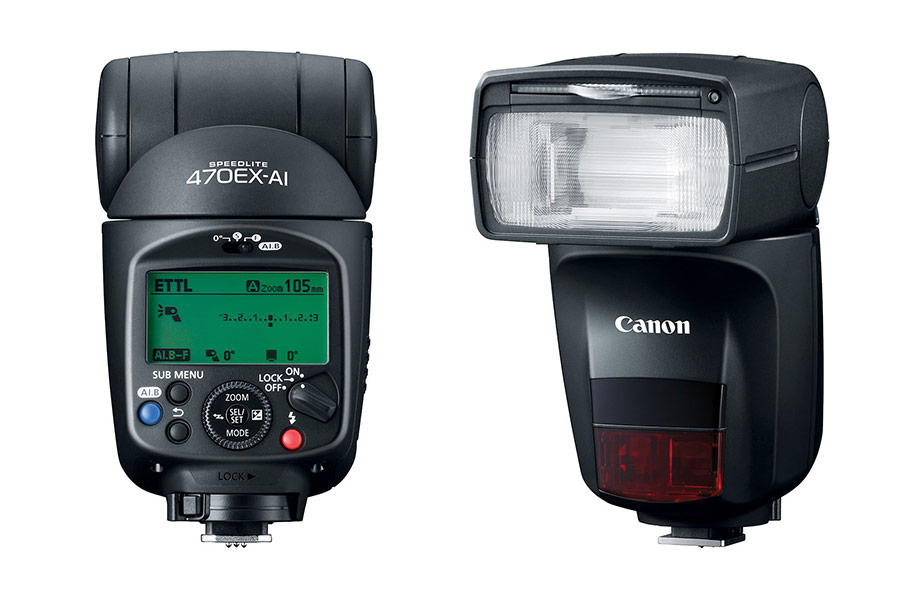
Before we get into this review of the Canon 470EX-AI speedlite (B&H / Amazon), I need to mention that I wanted this review video to be more than just a listing of the features of this flash. We therefore also delve into bounce flash technique. So there is something here even for those photographers who don't shoot Canon, or have no real interest in getting this flash. So please do check the video out. I was really curious to get to play with the Canon 470EX-AI speedlite (B&H / Amazon) for a review, Read more inside...Bounce flash photography and dark ceilings
Bounce flash photography and dark ceilings
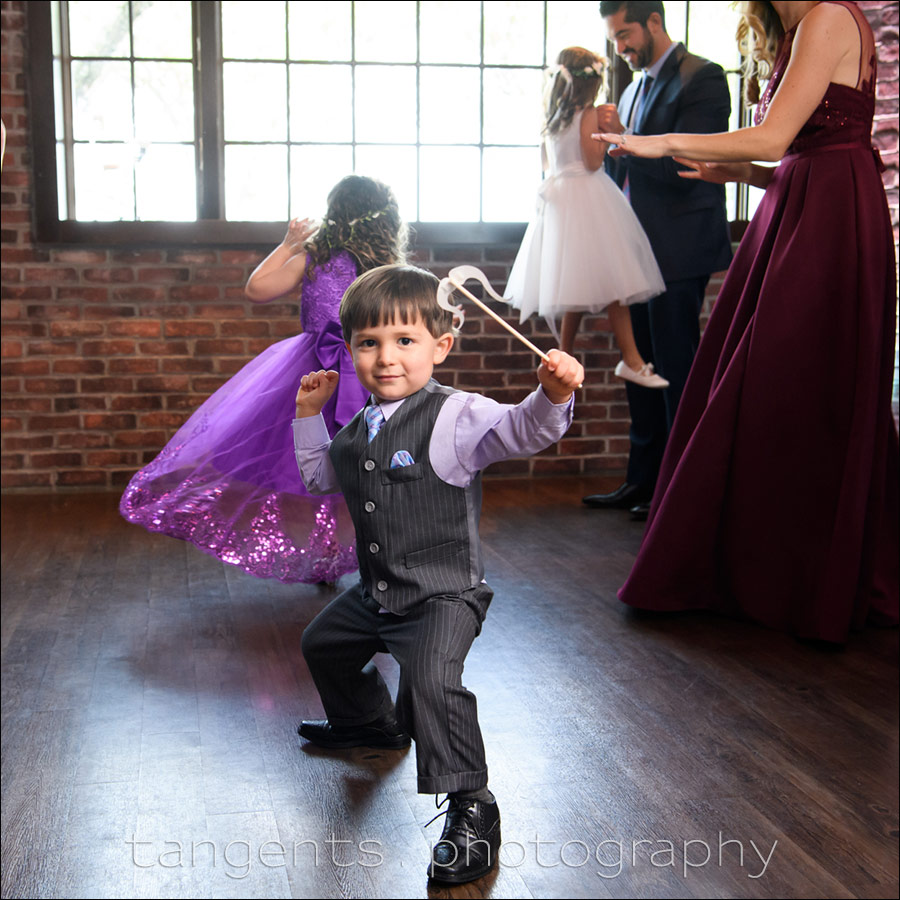
With the tutorials here on how to bounce flash, the questions inevitably come up - what if there is nothing to bounce your flash off? What if there are dark ceilings? Well, these limitations do affect how I use flash at events - but I still work according to a few set guidelines that give me the best results with bounce flash. I bounce my flash into the direction that I want to come from, regardless of whether there is a white wall or ceiling. It really is all about the Direction of Light. I also shy away from using any of the Read more inside...Video tutorial: TTL fill-flash
Video tutorial: TTL fill-flash
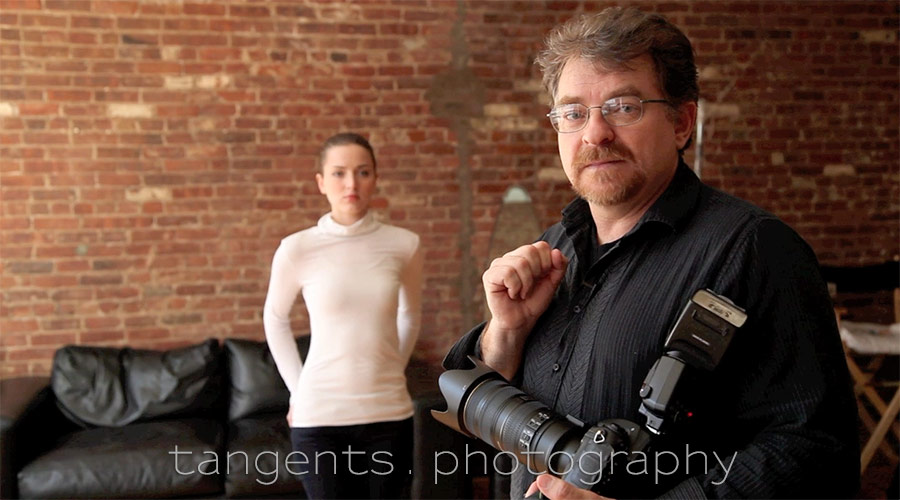
This video tutorial on TTL fill-flash settings, is the visual counterpart to this article - Flash Exposure Compensation (FEC). Whether you use on-camera bounce flash, or off-camera TTL flash as in this off-camera flash tutorial, you will need to adjust your FEC to control the amount of TTL flash you get. Adjusting the FEC allows you varying degrees of fill-flash. This video and the article on flash exposure compensation explains a sequence where you get to compare how different levels of fill-flash affect your final photograph. Also check out these Read more inside...How to bounce flash
How to bounce flash
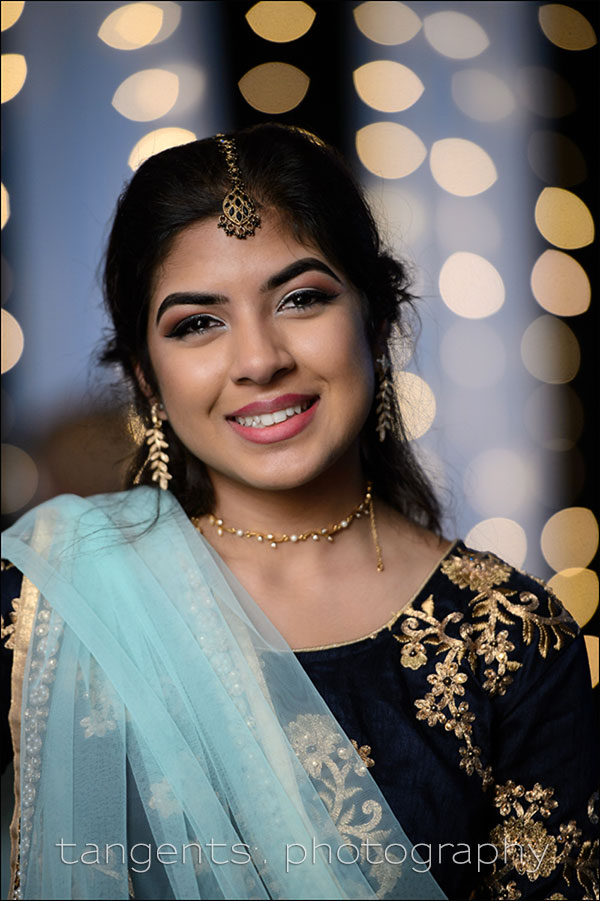
An elegant portrait of a delightful young woman, Supriya, taken at her Sweet 16 party. With events there isn't always the opportunity to use involved lighting setups, and to keep the interest of your subject, you need to shoot fast. Yet the results need to look top-class. For this I most often revert to on-camera bounce flash. How to bounce flash - this is a topic we have covered thoroughly here with previous articles. This time I want to I want to highlight an aspect of that - the direction of bounce flash - and this is best served by showing correct and Read more inside...review: Profoto A1 flash

review: Profoto A1 flash
Profoto has a very strong reputation in the industry for making gear that are reliable, easy to use, powerful, and, well ... looks really good. When Profoto entered the market a few years ago with the portable Profoto B1 flash (affiliate), and then the Profoto B2 flash (affiliate), it was inevitable then that at some point they would make a grand entrance with a speedlight style flash. With this review of the Profoto A1 flash (affiliate), I wanted to show more how I would use it, than just cover the specs of the flash. I met up Read more inside...Bounce flash and choice of background & backlighting
Bounce flash and choice of background + backlighting
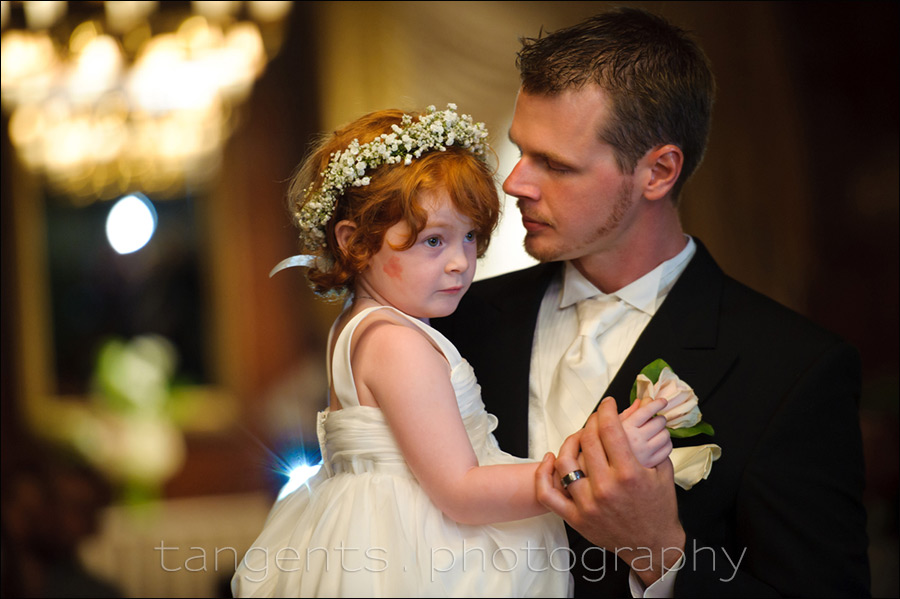
This is where style and technique intersect - the choice of how to use flash (or any other kind of additional lighting) at wedding receptions. Many photographers prefer the crisp look of multiple off-camera flash setups at wedding receptions. While I do think some of the photos look incredible, I am not convinced that the success rate is all that high. Hot spots in the background, and weird cross-shadows will mar many of the photos. My preference has always been for the predictability and flexibility of using on-camera bounce Read more inside...- « Previous Page
- 1
- 2
- 3
- 4
- …
- 8
- Next Page »