
Lighting for on-location headshot photography
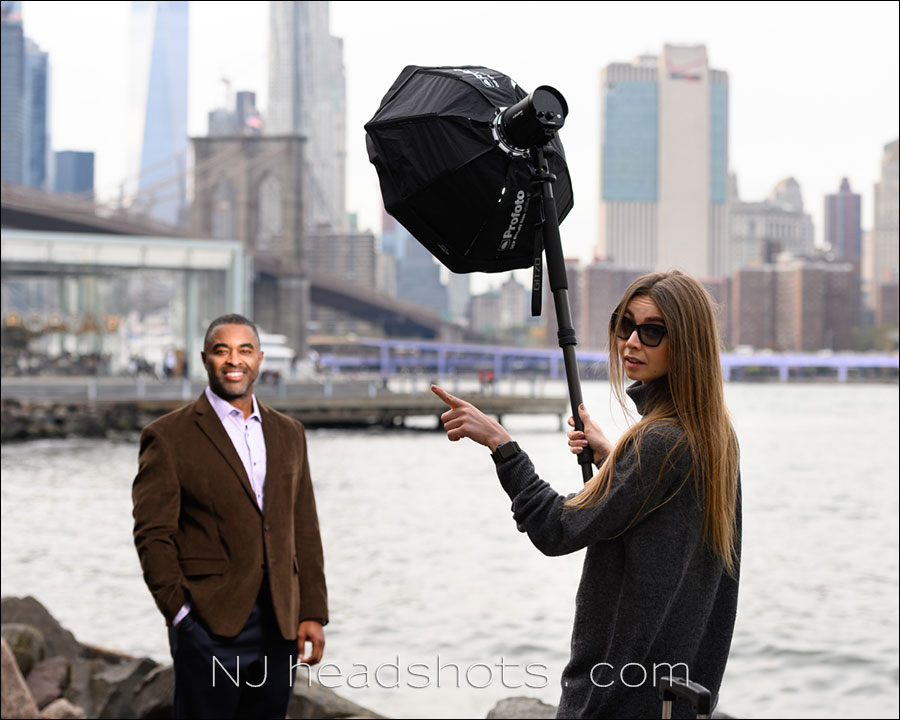
Lighting for on-location headshot photography
For headshot photography in New York, where we might roam around, a static setup with light-stands isn't that feasible. It would slow us down from getting a variety of images when we are on the move. For that, I like to keep the lighting setup small and portable. My preference for lighting for on-location headshot photography, is the Profoto B10 flash (B&H / Amazon) coupled with the Profoto OCF Beauty Dish (24") (B&H / Amazon). Here is a pull-back shot to show the lighting setup Read more inside...Tips for posing your subject during a photo session
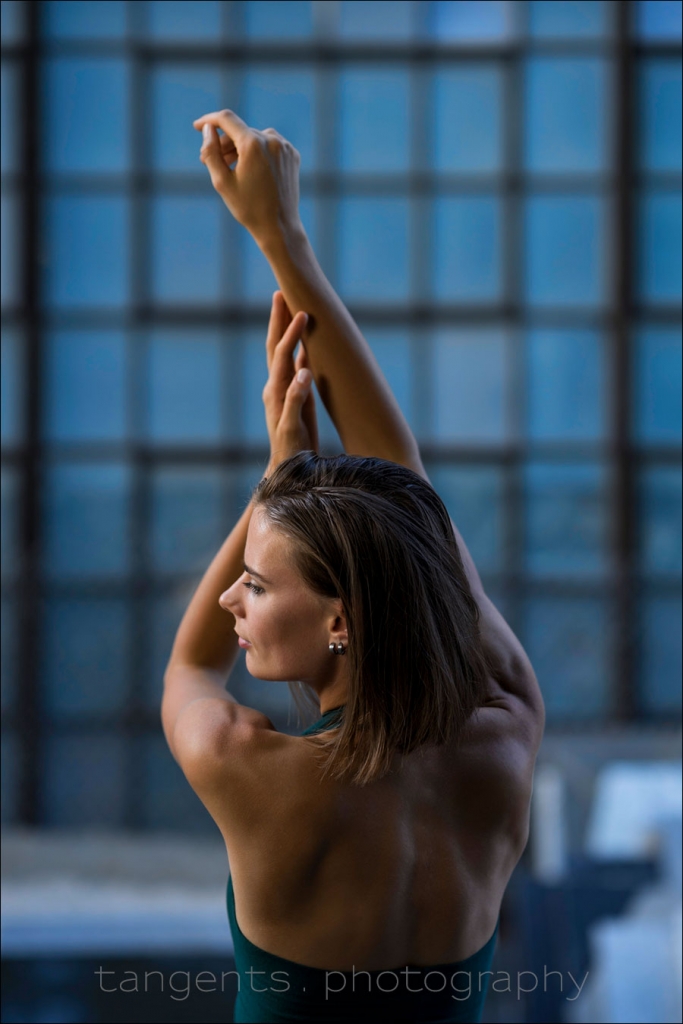
Tips for posing your subject during a photo session
Too often, when I am being photographed, I notice one major flaw in how the other photographer interacts with me during the photo session -- they lose connection. They will take a shot, and then spend too long checking the image. Then after that, every other shot is interrupted by looking at the playback screen. Not only is it annoying to the person being photographed - the continuity is lost. Using this photo of Rozalinda as an example - while she looks magnificent, and is supremely easy to pose and interact with, it depends on Read more inside...Flash photography tip – Start with the ambient exposure
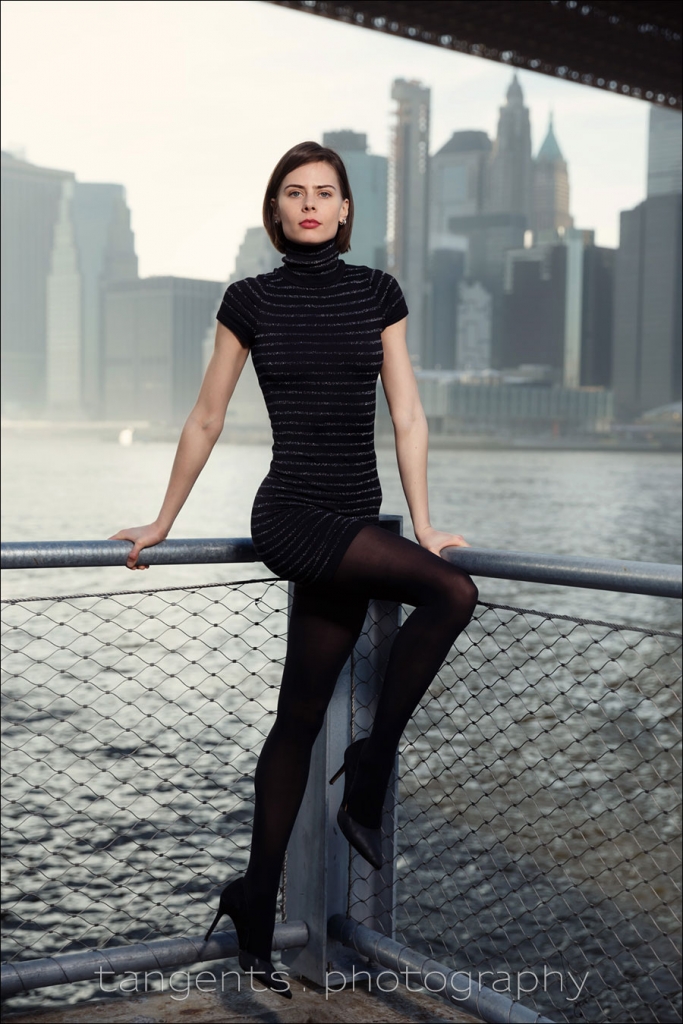
Flash photography tip - Start with the ambient exposure
Continuing on from the article - best camera settings for off-camera flash - I wanted to show an example of just one set of choices we had in how we balance flash with the ambient light. And again, to reiterate that there aren't necessarily wrong choices, but that we get to decide on the final look. In that linked article we worked through several algorithms to what would help guide our choice of camera and flash settings. In that article I accentuated the idea that our starting point is invariably with the ambient light. Read more inside...Best camera settings for off-camera flash
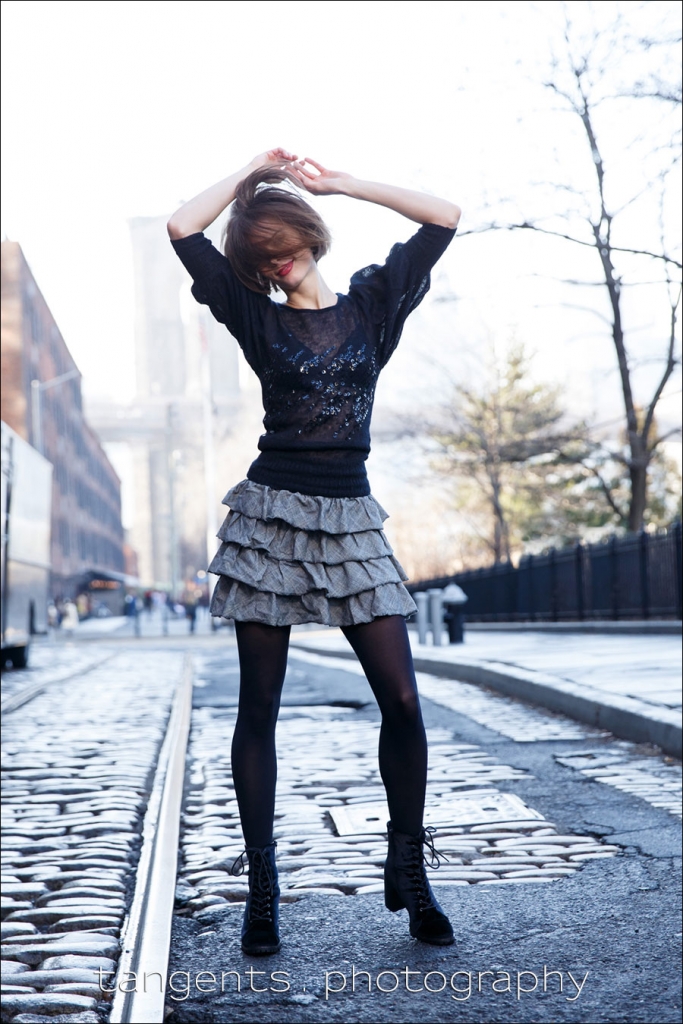
Best camera settings for off-camera flash
With many of the tutorial articles on this website that deal with off-camera flash photography, I have attempted to make the explanation not only as straight-forward as possible, but also repeatable. When it comes to camera and flash settings, there is often a specific science at work here - a specific method , which should deliver similar results time and again. The artistic side to photography is open to interpretation, and that is what makes photography continually fascinating - there are always further things to explore. However, when it Read more inside...recap: NYC photo walk – photography workshop, Brooklyn Waterfront
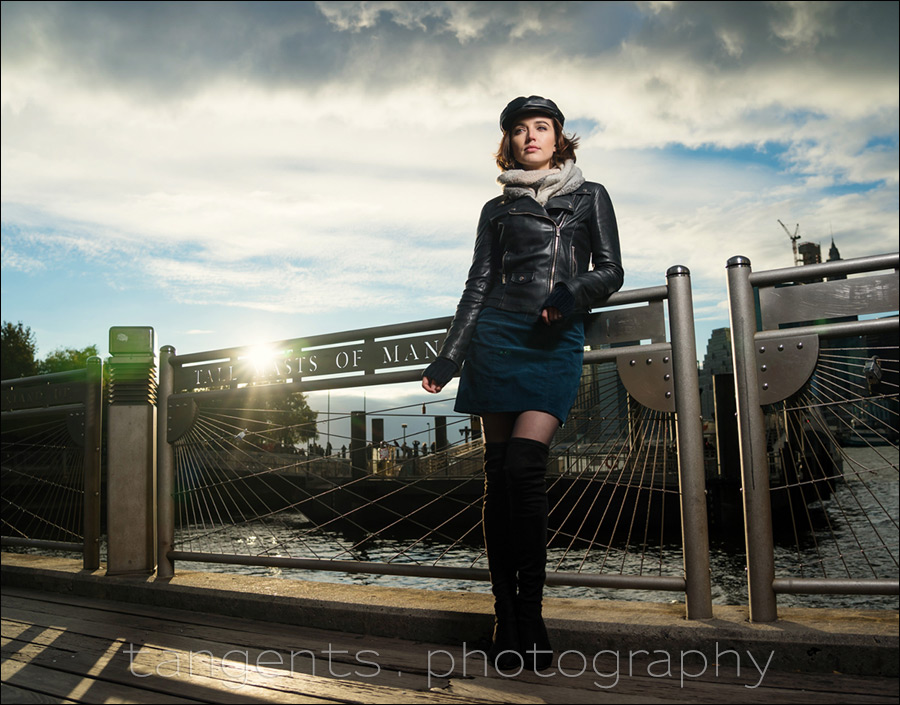
recap: NYC photo walk – photography workshop, Brooklyn Waterfront
Teaching a flash photography workshop on a grey day, I was disappointed that it was so overcast and miserable - and that I wouldn’t be able to properly explain how to balance flash with strong sunlight with an actual example - but then the sun popped out! This is part of the adventure of an on-location workshop such as the NYC Photo Walks - you just don't quite know what you'll get on any given day since the environment can change. Techie stuff: Lighting is with the Profoto B1 on a monopod, and the Profoto OCF 24” Read more inside...Outdoor photo session with a dancer
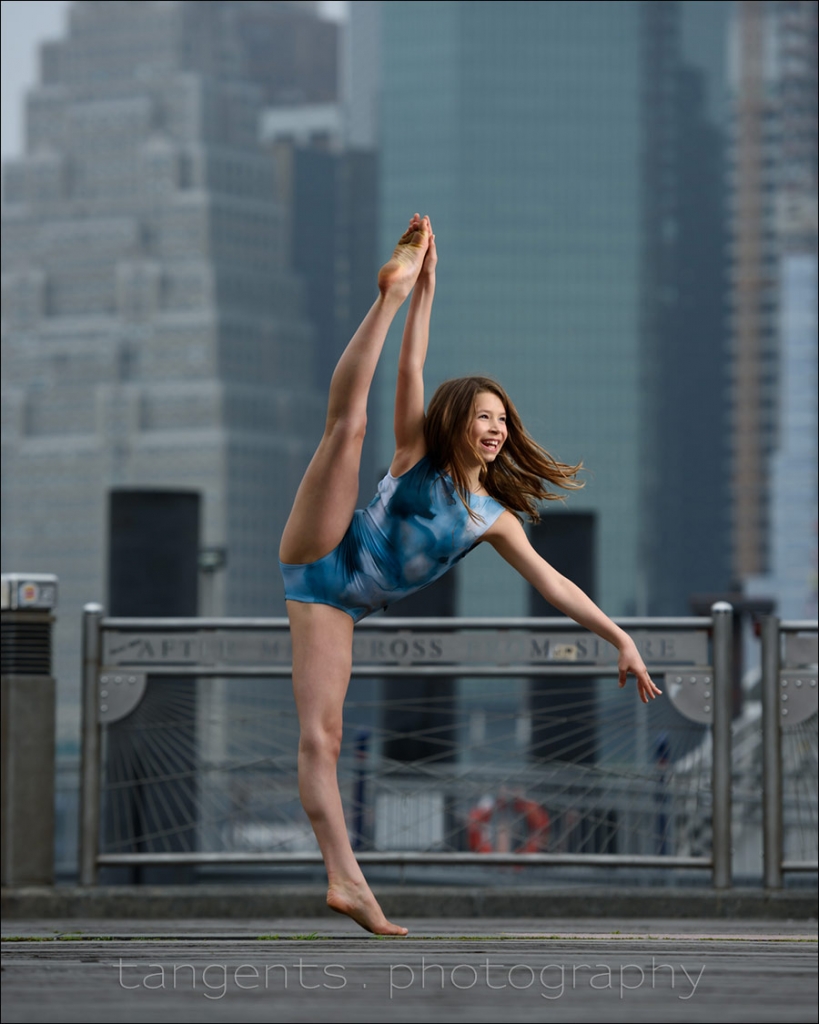
Outdoor photo session with a dancer - Ella
An additional challenge when photographing dancers in movement, is the exact timing. That fleeting pose in mid-air needs to be captured at the exact moment when their feet, hands and the entire body is positioned in ideal way. Some advice about this was given in a previous article on photographing dancers - tips on photographing dancers and ballerinas - but much of it relies on constantly conferring with the dancer, who will know exactly what they want. Ella is a dancer, with a delightfully confident personality - especially so for Read more inside...How to set up wireless flash with the pop-up flash
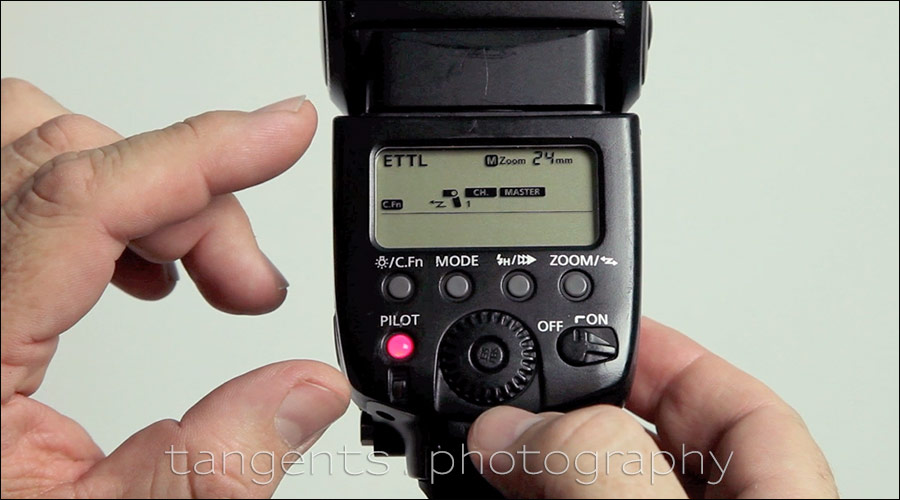
How to set up wireless flash with the pop-up flash
In starting to use off-camera flash, there are some minimum pieces of gear we need. Such as this gear list – starting out with off-camera flash. We don't necessarily need to buy radio triggers immediately. Many new cameras with a pop-up flash, has the ability to have the pop-up flash be a master to optically trigger a slave flash. This is especially helpful if you are on a budget. Later on, when the limitations of optical slaves start to hamper us, can we look at buying radio triggers. Radio controlled wireless triggering of a Read more inside...Video tutorial: Manual flash settings
?
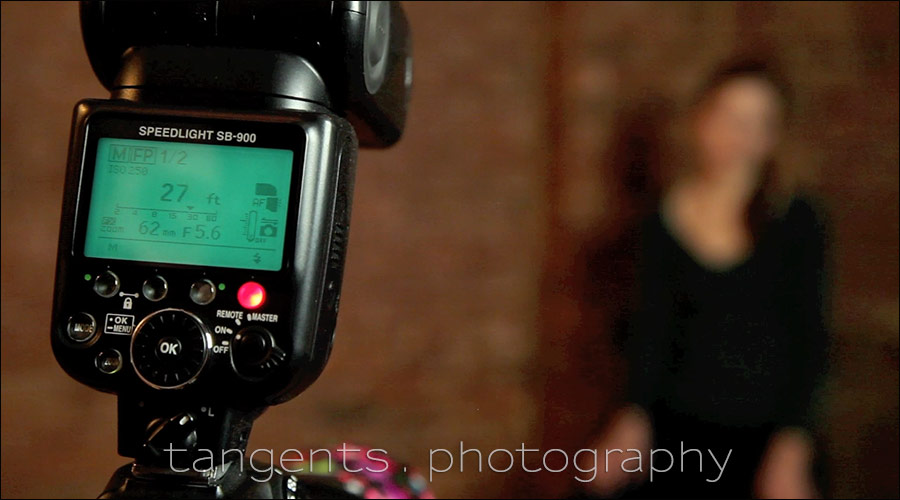
Video tutorial: Manual flash settings
One advantage that the larger speedlights have over the smaller speedlights - aside from more power - is that they show the distance the flash can reach for the specific settings. This video is a continuation of the off-camera flash tutorial series. What is described in this video is also written out in more detail in this article: Practical tutorial: Controls for manual flash exposure. If manual flash seems confusing, then I would recommend checking that article out as well, and then look at this video tutorial on manual flash settings again. Read more inside...Off-camera flash tutorial – Off-camera flash on location

Off-camera flash tutorial - Off-camera flash on location
Continuing on from the previous off-camera flash tutorial, we explore balancing ambient light with off-camera flash. With this video tutorial, we use a speedlight in a softbox, and we look at using TTL flash. There is a certain simplicity when we work with TTL flash in a non-static situation - we allow the technology to help us get to proper flash exposure quickly. More about this in the article on Manual flash vs TTL flash. We start off just using the available light for a few headshots of our model, Anelisa. The next step Read more inside...- « Previous Page
- 1
- 2
- 3
- 4
- …
- 15
- Next Page »