On-camera TTL fill-flash
With this recent photo session I didn’t have an assistant with me to hold a softbox. I therefore relied on on-camera fill-flash where necessary, and careful positioning of the couple, Renee and David, to control the light.
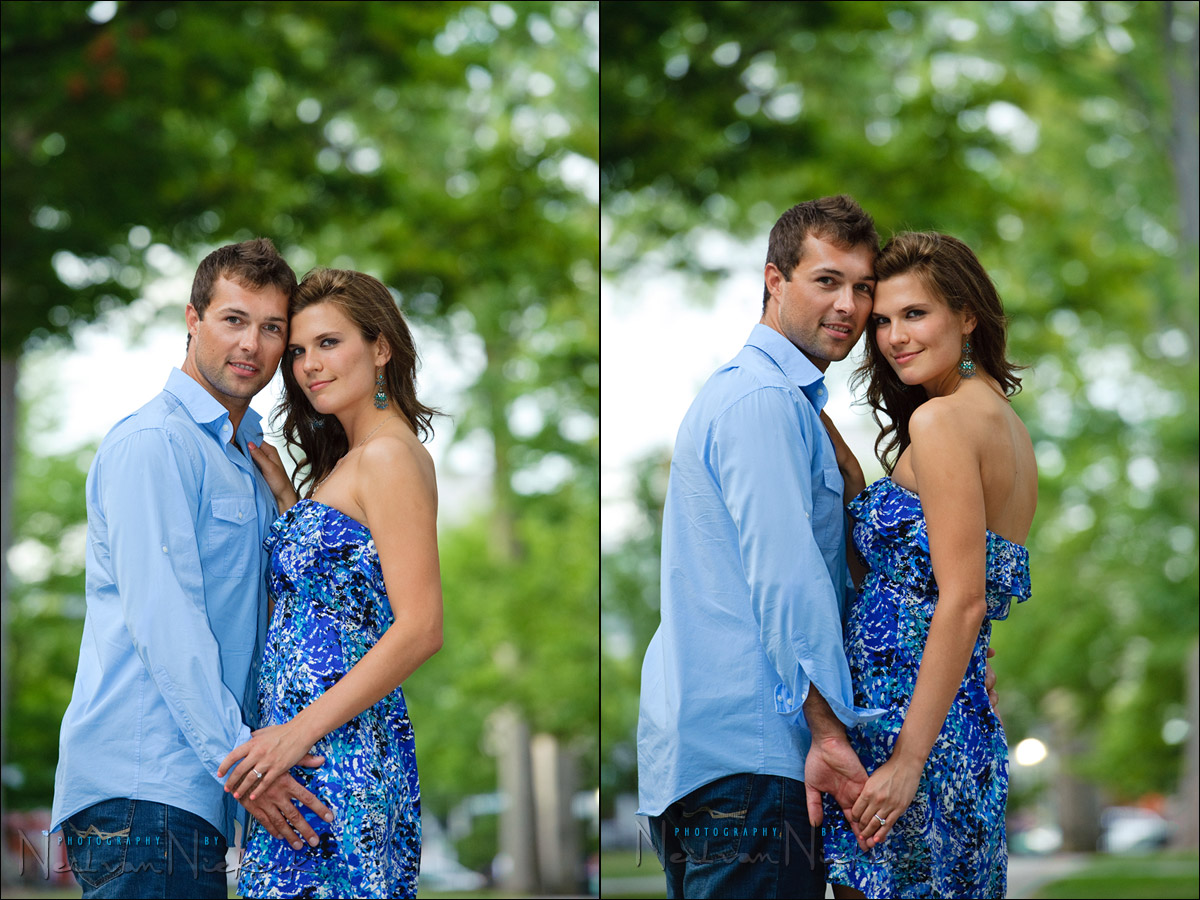
With the two photos above I used different amounts of flash exposure compensation (FEC), for more pronounced, or for more subtle fill-flash.
In the photo on the left, I used FEC of -3 EV on the Nikon D3 and SB-900 combination. This is about the same as -1EV with the Canon flash system. For the image on the right, I was down to -5EV on the D3 & SB-900 … which is about the same as -3EV on the Canon system. (It could be different again for other Nikon models.)
Since I relied on carefully positioning them in an area where the light doesn’t come from above, the light falling on them was quite flattering and not top-heavy. A touch of TTL fill-flash (adjusted to taste), is all that is needed then to give a bit of snap to the images. Because the main source of light is the ambient light and is already fairly even, the flash was just fill. There were also opportunities where even fill-flash wasn’t necessary.
With another photo session shown previously here, I decided not to use any flash, and just work with the available light. As always when you use only available light, careful positioning of your subject, and considering the direction of the available light, is essential. Also check this older post on the decision when to use fill-flash.
But if I needed more control over the light, then I would still prefer off-camera flash, as in these two previous examples – why I love off-camera flash / off-camera flash bringing sparkle on a rainy day. Having an assistant to hold the additional lighting really makes it easier since you have more choice over where to place your subject.
Quite often though, for simplicity and working faster than using off-camera flash, I just work with on-camera TTL fill-flash. In the following examples from the same session, I used TTL fill-flash since the photos were more portrait-y. But where a photograph is more about the mood or some gesture, and less about someone’s expression, then fill-flash will be less necessary.
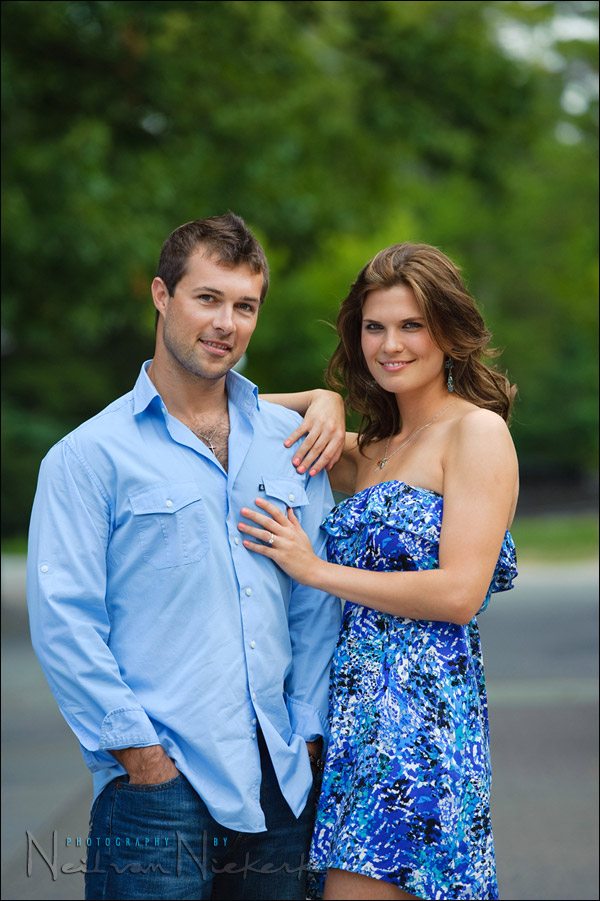
1/500 @ f4 @ 400 ISO … on-camera TTL fill-flash at -2 FEC
Nikon D3; Nikon 70-200mm f2.8 VR II … used at 175mm
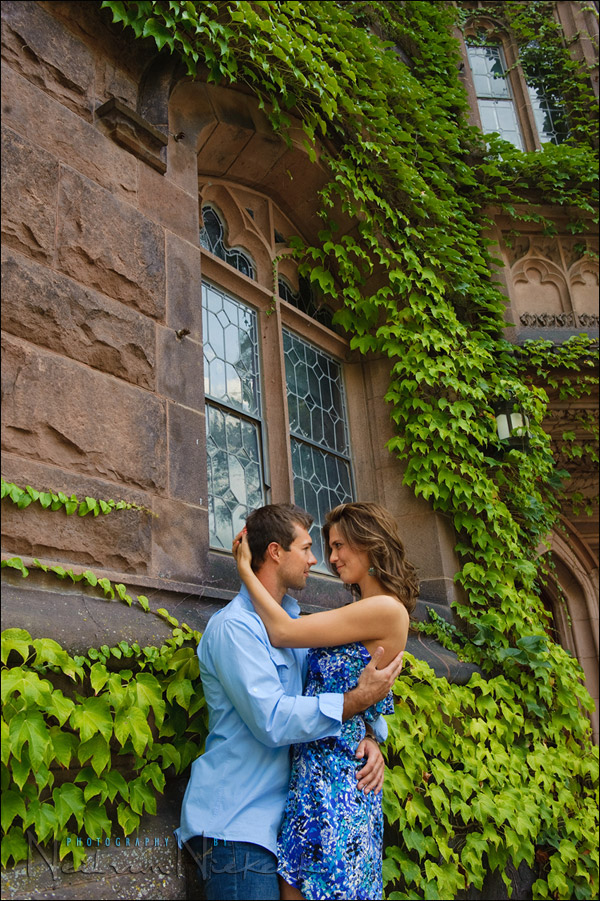
1/200 @ f5.6 @ 800 ISO … on-camera TTL fill-flash at -2 FEC
Nikon D3; Nikon 24-70mm f2.8 … used at 32mm
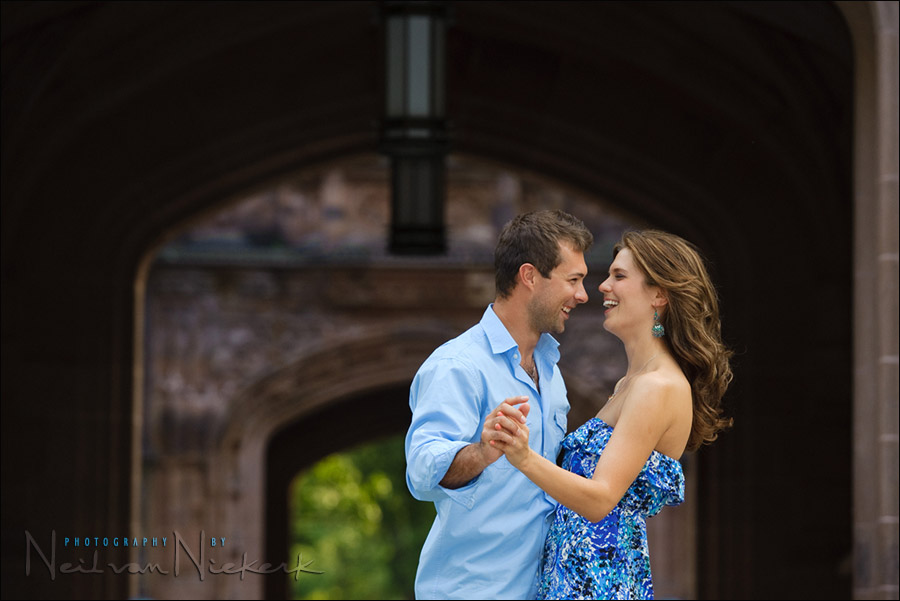
1/500 @ f4 @ 800 ISO … on-camera TTL fill-flash at -2 FEC
Nikon D3; Nikon 70-200mm f2.8 VR II … used at 160mm
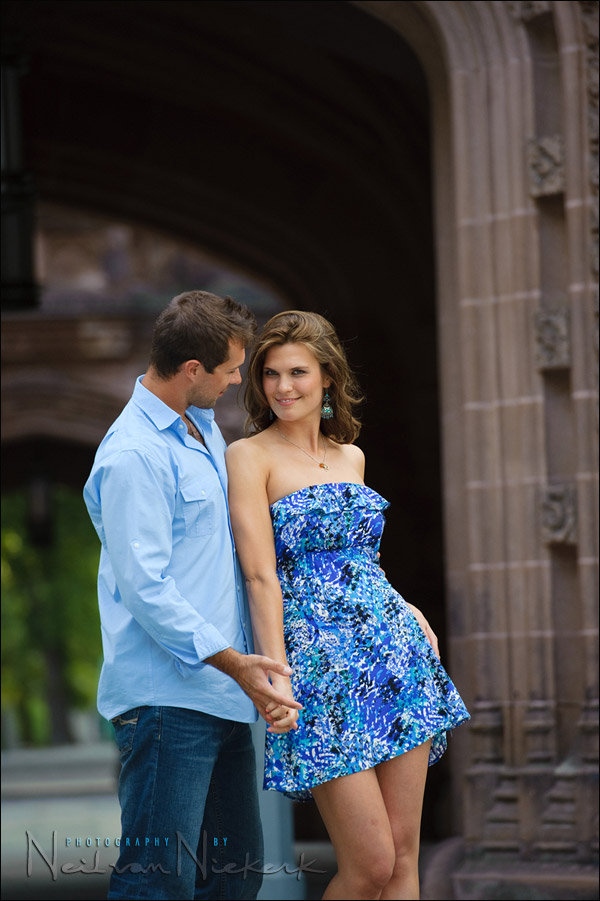
1/500 @ f4 @ 800 ISO … on-camera TTL fill-flash at -2 FEC
Nikon D3; Nikon 70-200mm f2.8 VR II … used at 200mm
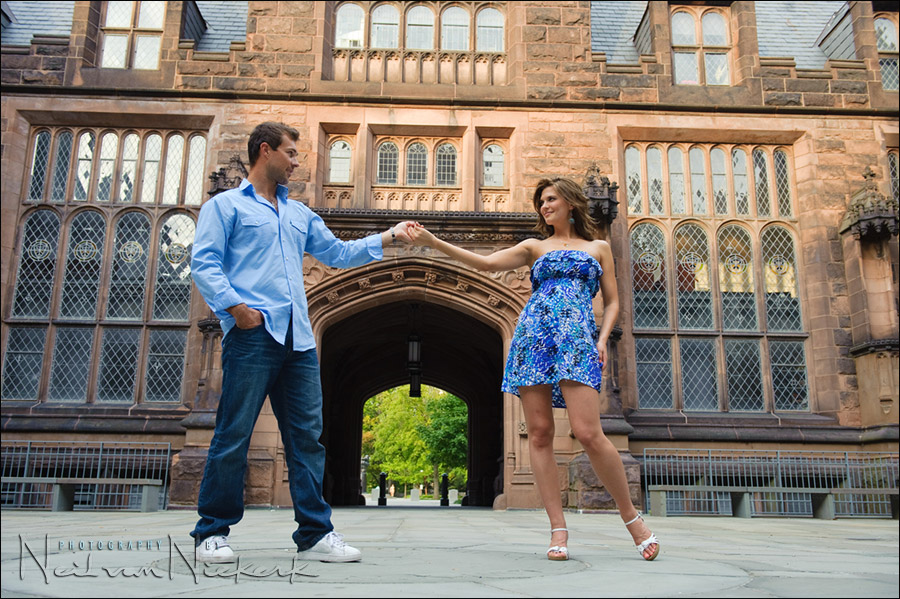
1/250 @ 4.5 @ 400 ISO … on-camera TTL fill-flash at -2 FEC
Nikon D3; Nikon 24-70mm f2.8 … used at 32mm
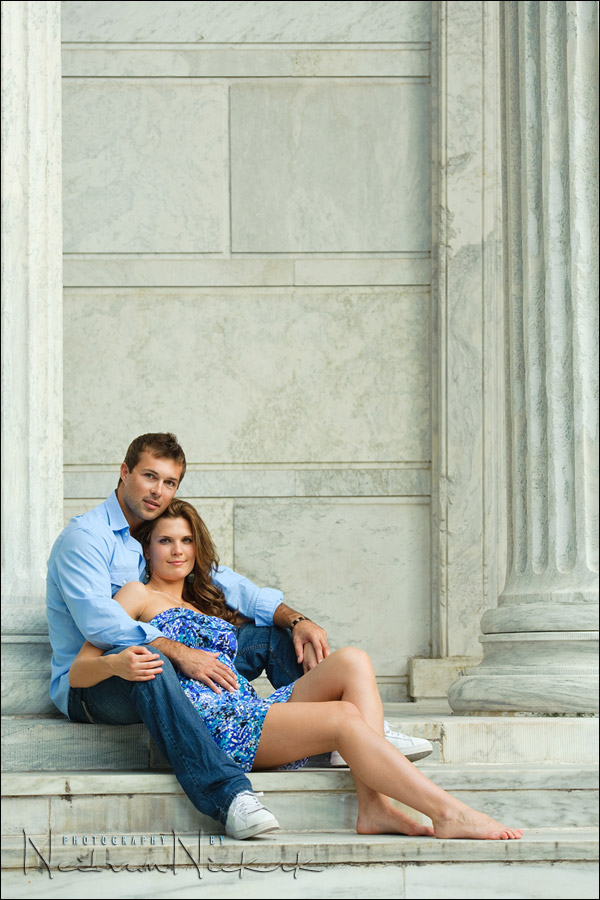
1/250 @ f5.0 @ 400 ISO … on-camera TTL fill-flash at -2 FEC
Nikon D3; Nikon 70-200mm f2.8 VR II … used at 100mm
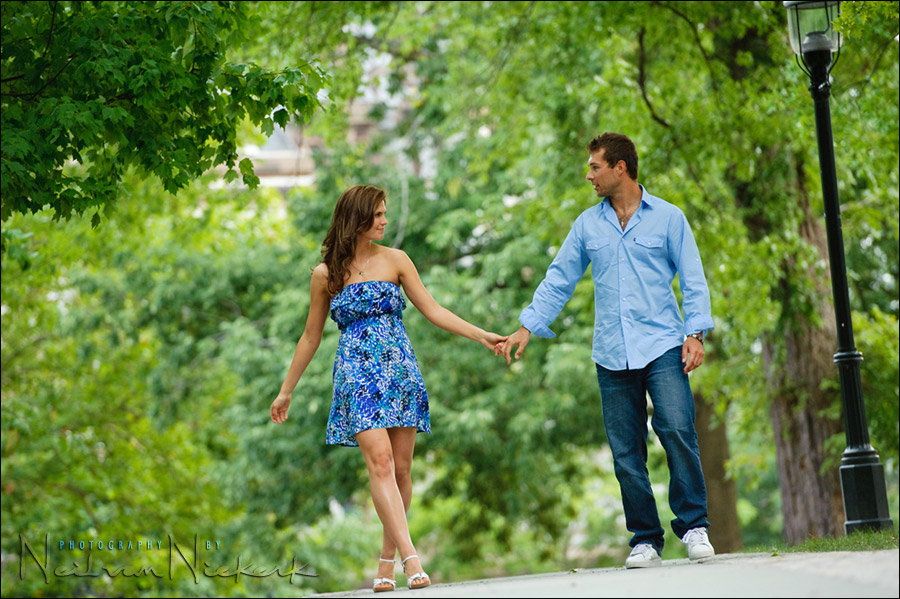
1/250 @ f4 @ 640 ISO … no flash
Nikon D3; Nikon 70-200mm f2.8 VR II … used at 200mm
Photo gear (or equivalents) used in this photo session
- Nikon D3
- Nikon 70-200mm f2.8 AF-S VR II /equivalent Canon EF 70-200mm f/2.8L IS II
- Nikon SB-910 Speedlight /equivalent Canon 600EX-RT Speedlite
Hey Neil,
Thanks for sharing, I love reading every single piece of info on your site. It’s so unbelievably straightforward and easy to follow.
Just had a couple of questions. Do you specifically shoot with different lighting settings for this blog? Or does it happen that you happen to be experimenting as you go? I often notice that there are original images without flash that clearly show the difference. Are they just your test exposures I presume?
I used your advice about off-camera TTL recently for the first time ever and loved how well the images came out. I kept thinking in my head “Expose for the background, use TTL to bring the subjects up” It was thanks to your book that I managed to pull it off, so thanks for taking the time to share all this information. It’s a goldmine of flash tutorials.
Thanks again,
Chris.
The reason why I change the lighting setups .. it depends on where I find myself and the lighting situation. But as often, it is purely whim. With a wedding I don’t have that luxury .. the photos *have* to work. But with photo sessions like these, the tempo is far more relaxed, and the couple and I can play around with different setups and poses.
Sometimes I’ll bring an assistant to help with the additional lighting, but most often not. And as the one photo session showed … there I didn’t want to use flash. Just as a personal challenge for that day.
In the comparison photos on the site where there is no flash, to show the difference. They are usually done after the actual photo, but disabling the flash from the camera’s controls. Sometimes though I have the “comparison” photo by shooting too fast for the flash to keep up.
I’m glad the book and tutorials help.
Hi Neil
First and foremost I am a huge fan of your work and have recently purchased your book. I eagerly follow this blog and your Facebook page daily and once again I am totally blown away with the quality and caliber of your images.
What I am struggling with today is the issue of TTL or TTL-BL. I know its basic (I’ve read the manual) but I was just wondering whether you used TTL for these images or TTL-BL. In your book you mention that you use TTL-BL outdoors. I hope this doesn’t come across as a dumb question and I’ll definitely be going outside today to practice to see if there is any real difference between both modes. I was just hoping you could clarify this for me.
Thank you in advance for your insight on this Neil.
~JD
Hi Neil,
Excellent pictures, I like the subtlety in the way you use it. Do you use any modifiers on your flash or just the bare SB-900?
Jeroen
Hi Neil
Super article once again supported by great photographic examples.
Curious re some of the shutter speeds and fec you used across some of these images. Unless I’m mistaken some of the shutter speeds have you HSS and therefore naturally drop the flash power substantially yet you still used significant negative fec. I’d have thought that at such extremes and your working distance that the flash wouldn’t have made much if any difference. Looking at your images I’m clearly wide of the mark.
Hi Neil,
thanks for that article.
Just wondering. How you get to -5EV ?
You can set your speedlight to -3 or the body to -3 .. both doesn’t have a affect on my pics.
So please let my know how you get to -5 because my sb-800 on my d700 is always (even with -3 EV) a bit to bright.. Would love to have -4 or something..
Regards,
Tobi
Neil,
I have questions about my recent attempts at fill flash:
1) When you use fill flash, your SB-900 is pointed straight on, correct?
2) What is the flash zoom range when you do this? Do you keep it at 200mm or let it match the lens’s focal length (SB-900 default behavior).
3) Do you take the Black Foam Thingie off when you do fill flash?
Thanks.
Neil,
How do you set the FEC on the Nikon D3. I can’t seem to find it. All the while, I have been setting the FEC on the Sb900 but -3 is the lowest it can get to.
Chang.
Neil when you say -3EV on your SB900 do you mean 3 click less from full power?
Hi Neil,
Thanks for the answers. Bah, I screwed up my outdoor shots a little (nothing to bounce off). I as getting flash flare in some of my shots due to keeping the flash zoomed at 200mm with the foam on. The foam was blocking flash that needed to cover the subject area.
Based on your past blog posts, you seem to set flash head zoom near or at maximum when you do have a surface to bounce off, correct?
Would you ever consider working with a softbox and a light stand or is that too cumbersome?
Debra
Excelente post.
abraço
Dear Neil,
I just want to tell you that I am following you on your site with all your tips, tutorials and explanations for quite some time now. Because of you I am no afraid of my flash anymore even not with manual exposure settings. Every time I practice with the settings you disclose. In the meantime I bought your book with even more tips and explanations. Perfect, Perfect, Perfect!!!
Greetings from Holland
Evert
I am curious about the HSS in combination with the lens at 160 to 200mm. I am thinking you have to be a good 18 to 25 ft. away from your subjects and then a -3 or more on the flash. I would think the flash contribution to these shots would be almost nonexistent. Interesting as always.
-5EV is a lot. How much difference is it making?
To use TTL-BL, you need to use CW or Matrix. Which do you use?
I find Matrix inconsistent, maybe because where I focus+recompose changes shot to shot?
Does the exposure get set when half pressing, or when full pressed?
Neil,
Thank you as always. I know this question is more about your gear than lighting but do you typically use two cameras and two lenses for your portrait sessions?
I am trying to lighten my load…
Great Photo.
One silly question.
If there is no fill flash, the photo will be under exposure.
How do you meter the subject ?
thanks a lot.
All right Neil! I just put an sb800 on my D700 and tested it at the aforementioned settings. Sure enough, the distance scale said there was plenty of range with a lot of room to spare. I was really surprised by that. I stand corrected. Thanks
Wow, big difference between the right one and the left one and of course, I prefer the right one!
Too bad I have an SB800 for my D700, so I can’t get past -3EV. Strange that getting less light is sometimes so difficult when using Speedlights?
But I read your comment: …”with the Nikon system, the flash exposure compensation and the overall exposure compensation are cumulative. So you can adjust both, and affect the FEC even more than the nominal -3EV FEC available.”
-> but in this case, the background will become darker too, right?
With the D700, you can even add the FEC in two different places … dialing it on the flash, and dialing it on the camera body.
-> I didn’t know that, so you can get to -6EV? Is this correct?
Many thanks once more!..
Hello – and thank you for showing us your great pictures :-)
But I do not understand, why you have so much empty space above your models – some of the pictures nearly are landscapes with to small people ?
Thank you for your answers – Enra
Hi Neil,
Love the pictures. Thank you for sharing the pictures. I have a question- in the third picture, you mention 1/500 @ f4 @ 400 ISO, with -4EV compensation. How did you get a shutter speed that low? Are you using a Pocket Wizard to sync?
Thanks
Hi Neil,
I was asking how could the sync speed be so low when the flash is on-camera. My D700 syncs at 1/250 and I cannot go below that. I was wondering how you could go to 1/500th. Is there some other over ride?
Hi Neil,
Thank you!! I got it now. I have to try it tomorrow.
Neil, do find doing a couple’s engagement shoot helps you create better images of their wedding day? Do you learn things about their physical features and how they interact with each other that better enables you to strike that “optimal balance” in their wedding day photos?
Thanks Neil. That’s a brilliant strategy to leverage the engagement photos to build rapport with the families and friends prior to the wedding day. It also serves as a reminder that success as a people photographer goes well beyond just knowing about shutter speeds and f-stops.
I’ve been trying a softbox on a light stand on my own since it’s about the only way I anticipate every being able to do off camera lighting for portraits, and I have to say it’s not as cumbersome as I thought it would be. I like it. Everyone I work with asks to go to parks, which is not the same for sure as shooting in the middle of a street in NYC, but if the area isn’t too heavily populated it’s really not too bad. I’m sure working with an assistant is a million times better, but if that’s not an option, I’d prefer moving the light stand around to not having one.
Great shots and the settings on the camera as written herein was a great help to further my flash skills.
Thanks.
thanks for the very informative article and personalized email that i always receive from you.
it helps me a lot in improving my skills.
more power to your website!
Thanks for all you do Neil, i probably missed the answer to this question. How do you shoot consistently from shot to shot?
My understanding is you shoot in manual mode camera, ttl flash, set it on evaluative metering and where do you meter?
Grey card? Face? Sky?
The only way for me to get consistency, is to shoot in manual mode on my camera. It really speeds up my workflow if the exposures are consistent. I keep the camera to evaluative / matrix metering.
For the examples here, the flash was mere fill-flash, and as you can see from the top-most images, the FEC can vary a fair amount, and you’d still get correct exposure. This is because the basic exposure is determined here by my camera settings for the ambient light. So the FEC can vary a lot, without affecting the overall exposure much.
As for the exposure metering methods, it’s along the lines described on this page. It all comes together to … correct exposure. Whatever route is taken.
hi im using nikon d40x and it doesnt have fv lock, how do i get correct flash exposure in ttl when recomposing, i keep getting incorrect flash exposure when subject is off center
Thankc in advance!
Hi Neil
havent spoken with you for ages, glad to see you are getting on well in the photography business, not easy is it?
I have a quick question for you, using a Nikon D300 and SB900 flash unit, what setting would you use when photographing against the light? very bright day, so group/couple etc placed with back to the sun, I usuall set +1 ev on the camera body and then -3 (third of stop) on the SB900, sometimes this works well sometimes I have to brighten the image in Lightroom, whats your best tip?
look forward to hearing from you, best regards
James
hi,
last year or so,you posted a writeup about a photographer who shoots outdoors with flash head-on in flash manual mode.please,i need the link again.
thanks!!
philip
Niel, when you mention “… TTL fill-flash at -4EV” are you thinking TTL-BL?
Fred
Fred,
The general guidelines (which can be broken as the situation calls for it) are TTL-BL for outdoor shots and TTL for indoor shots. FEC works in either mode.
–Stephen
Is matrix metering your preferred choice? You are metering the background and adjusting fill-flash to -4 ev? I have the sb600 so I wouldn’t think I should dial down this much?
Thanks for all you do here.
Hi Neil,
Is your flash gelled? When I use fill flash I find the subjects look a different color temperature to the background?
Adam
Neil,
Great site! I don’t notice any flash reflections in your models’ eyes from where you used on-camera fill flash. I expected to notice some pin-prick eye lights for example in Renee-David-e027.jpg.
Thanks,
Michael
Neil, I recently purchased your book On Camera Flash. I’m finding it very straight forward (thank you!). Trouble is, I cannot figure out how to dial down the SB900 when using the TTL balanced mode. Is there a trick to it? Or do I have to use the manual setting on the SB900 (would much prefer not to).
Hello Neil, Great website and super Articles. I’m a little confused though about FEC settings. In your book on “On Camera Flash …” You give general guidelines as to the amount of negative FEC when using fill flash (-2 -3) with Nikon.
These are of course, general guidelines and not specifs, I know.
However in one of the Articles on this site You show a distinct difference between the Nikon and the Canon FEC results. Should I then interpret those (from the book) as O and -1 on a Canon flash?
Perhaps a silly question, but I’m still curious :-)
Mark .. regarding the material in my first book: On-Camera Flash Photography, the images were all shot with other cameras than the Nikon D3. The manuscript was completed before I acquired all my Nikon D3 bodies. So read the FEC mentioned there as the generally applicable FEC.
In this specific article now, I do actually mention the approximate equivalent FEC.
You are by far, the most inspiring/helpful photographer out there.
Question about the bare fill flash you’re using, would it benefit me to use a light modifier such as the Fong lightsphere outdoors? Seems like I wouldn’t have to compensate as much given the loss of light, and it’s larger surface should produce ‘softer’ light, although I’m not sure it would matter. Thoughts?
Dear Neil,
You say that you use TTL fill flash, and most if not all shutter speeds you’re using are above 1/200. now i checked your D3 camera specs and it does not support high speed sync. can you please elaborate on how your flash making any effects?
Hello Neil,
How far are you standing from your subjects when using fill flash ?
are you using any gels ?
No gels.
With fill-flash, I most often use TTL flash, and then the camera and flash will work out the exposure (with the FEC that I set). So the distance doesn’t really have an effect here.
I have learn how to use my flash with your great books.
I would like to know if you have travel doing seminar. I am from Connecticut but I will travel to a near state to I see one of your seminars. Thank you very much!
Nestor M. Montañez.
Foto by nestor in fb. Page.
Here are is all the info about all upcoming photography workshops
250 seems like a fast shutter speed for a portrait. Is there a reason you don’t lower your shutter speed and then be able to use a lower ISO?
I can fix high-ISO noise, but I can’t fix camera shake or subject movement.
Also keep in mind that 800 ISO isn’t a particularly high ISO anymore … and on top of that, consider the final use of any photos you take and how large they will be printed or viewed.